
Character Retention Strata

Kensington-cedar cottage, Vancouver
This project was one of the early character retention developments in its Vancouver neighbourhood. Solaris Properties served as both the builder and a development partner, helping transform a single-family lot into a thoughtfully designed multi-unit property.
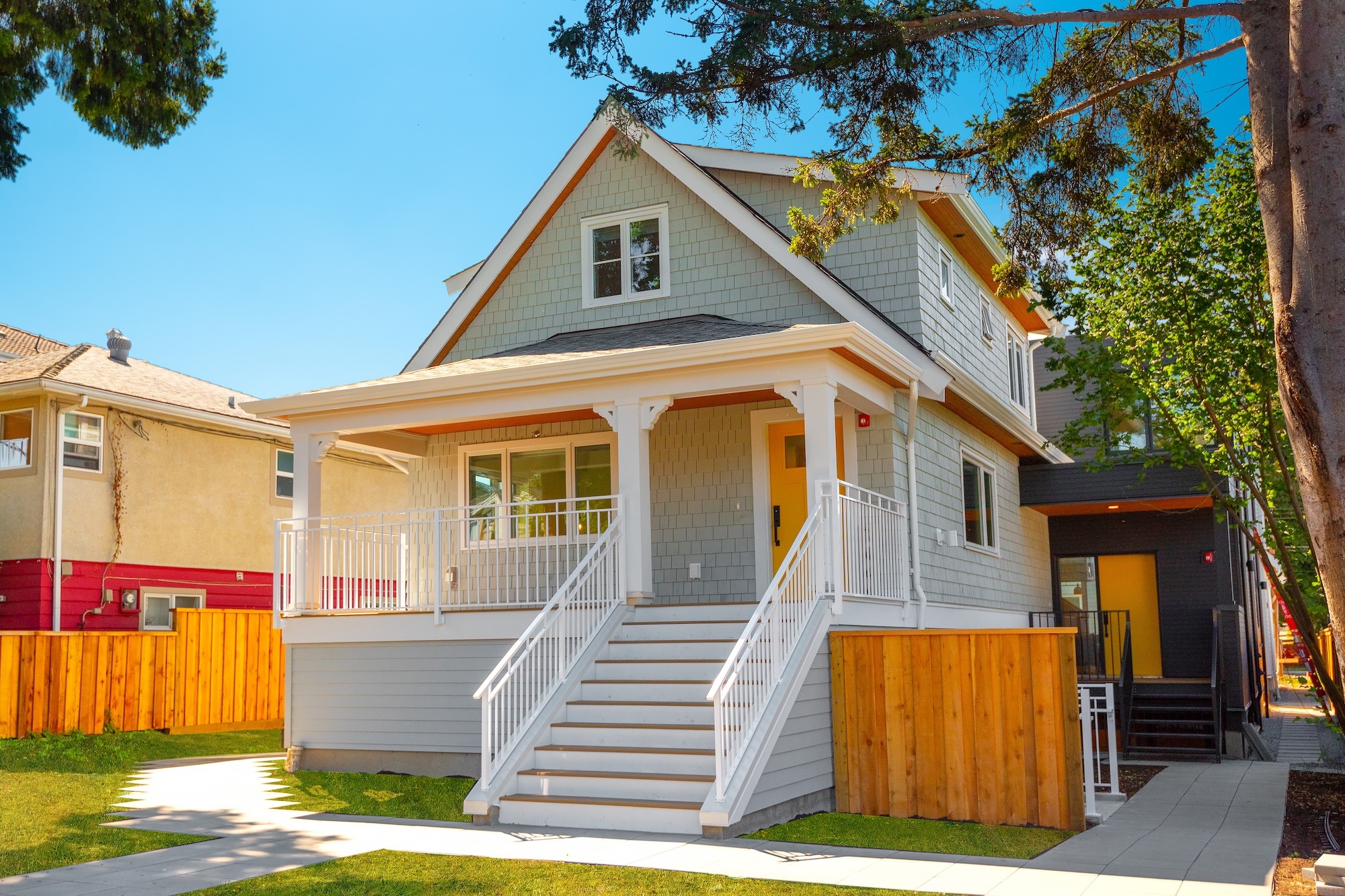
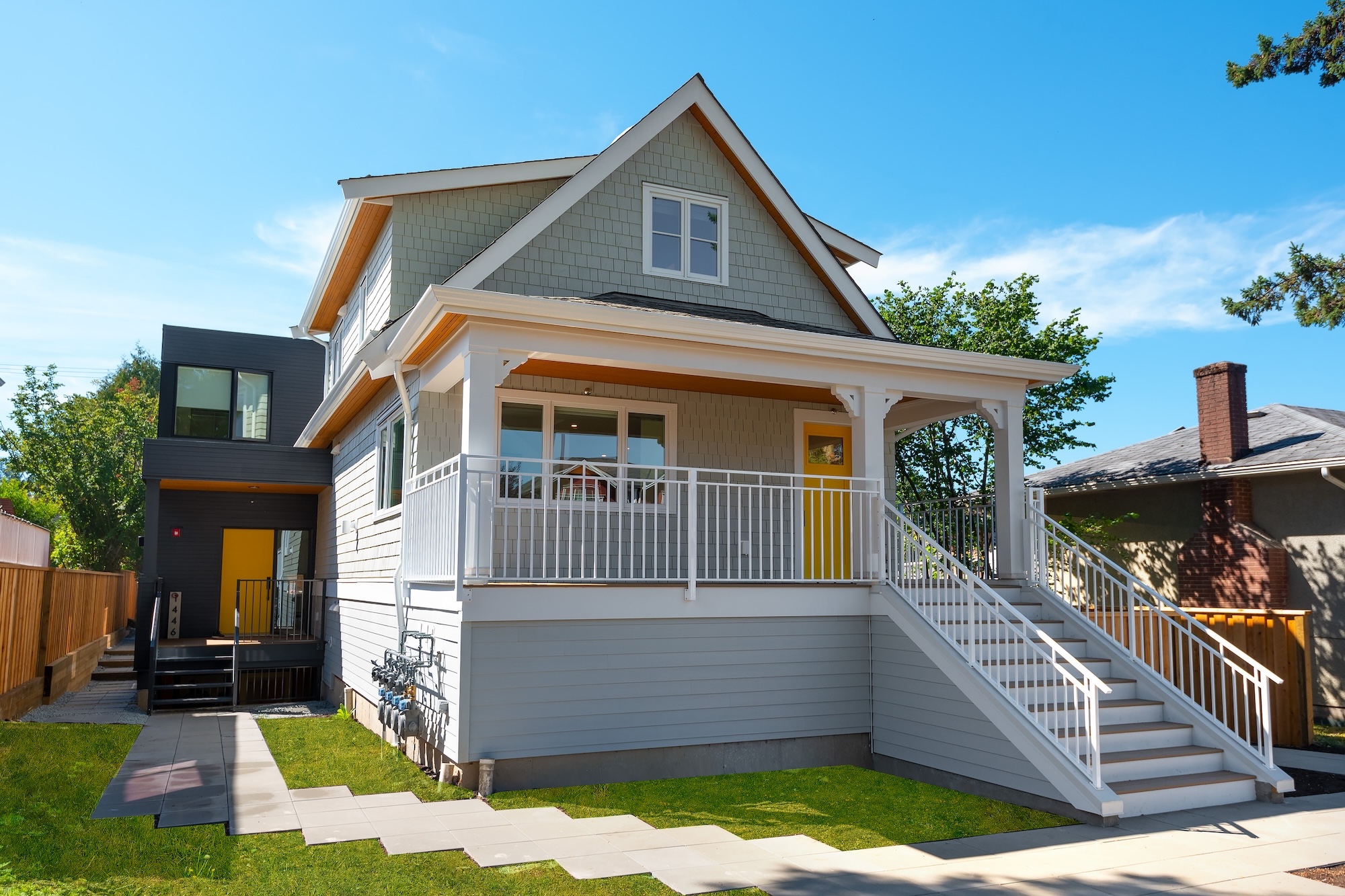
Rather than demolishing the existing house, Solaris retained and restored the original character home. The house featured architectural elements that contributed to the neighbourhood’s historic character, including its distinctive front porch. Preserving these elements was an important requirement of the project.

Designing the Four-Unit Strata Community
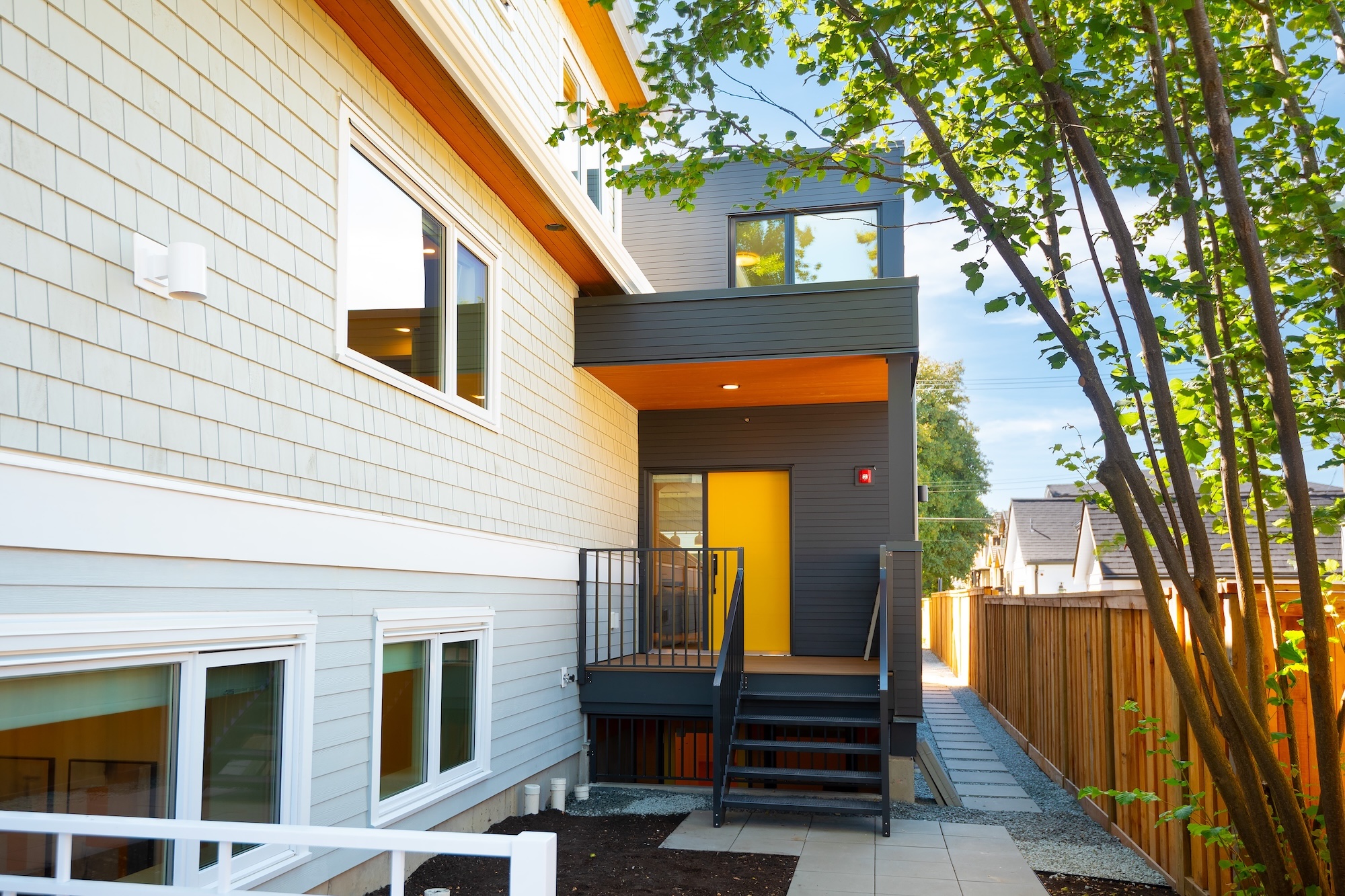
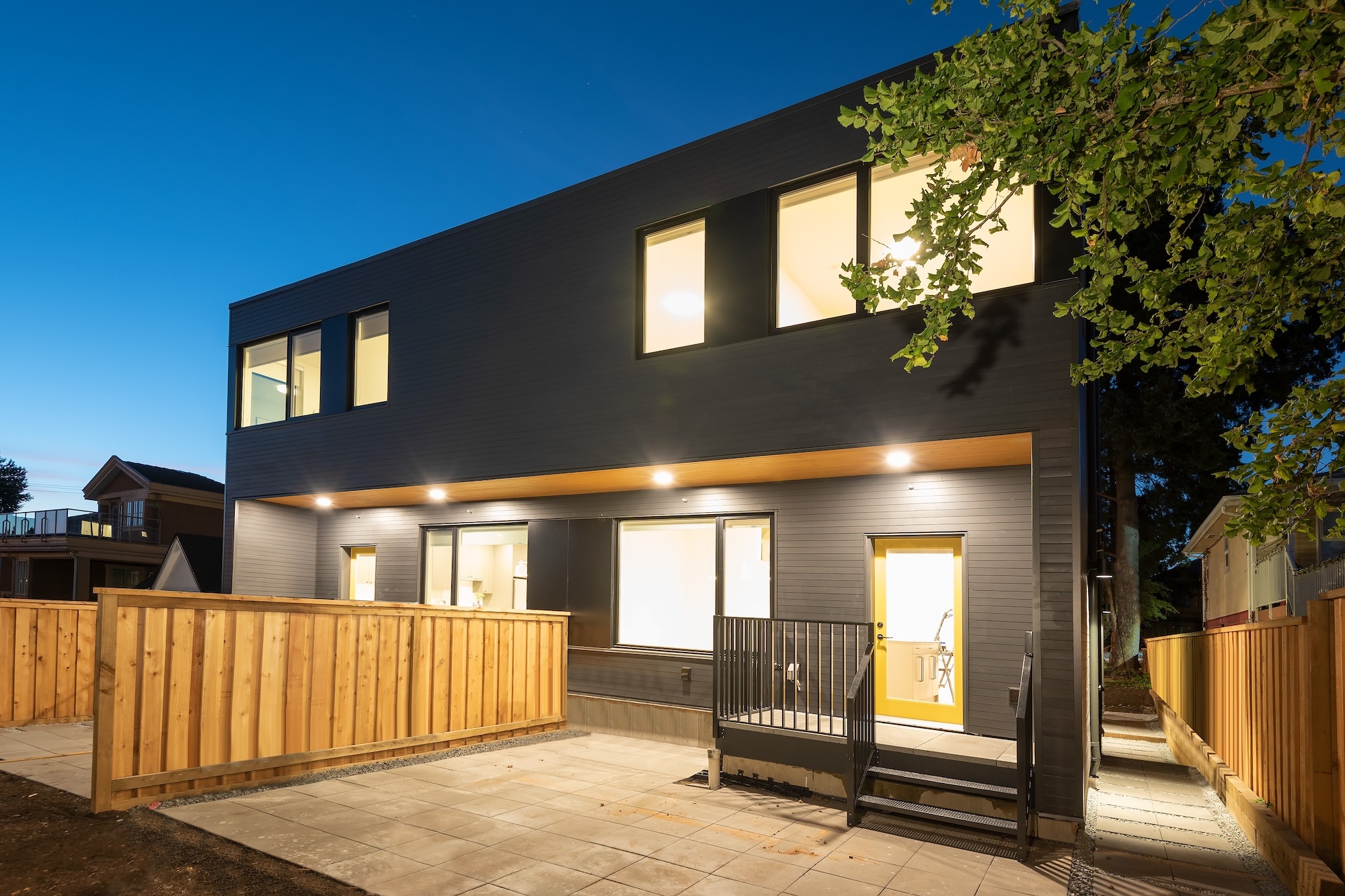
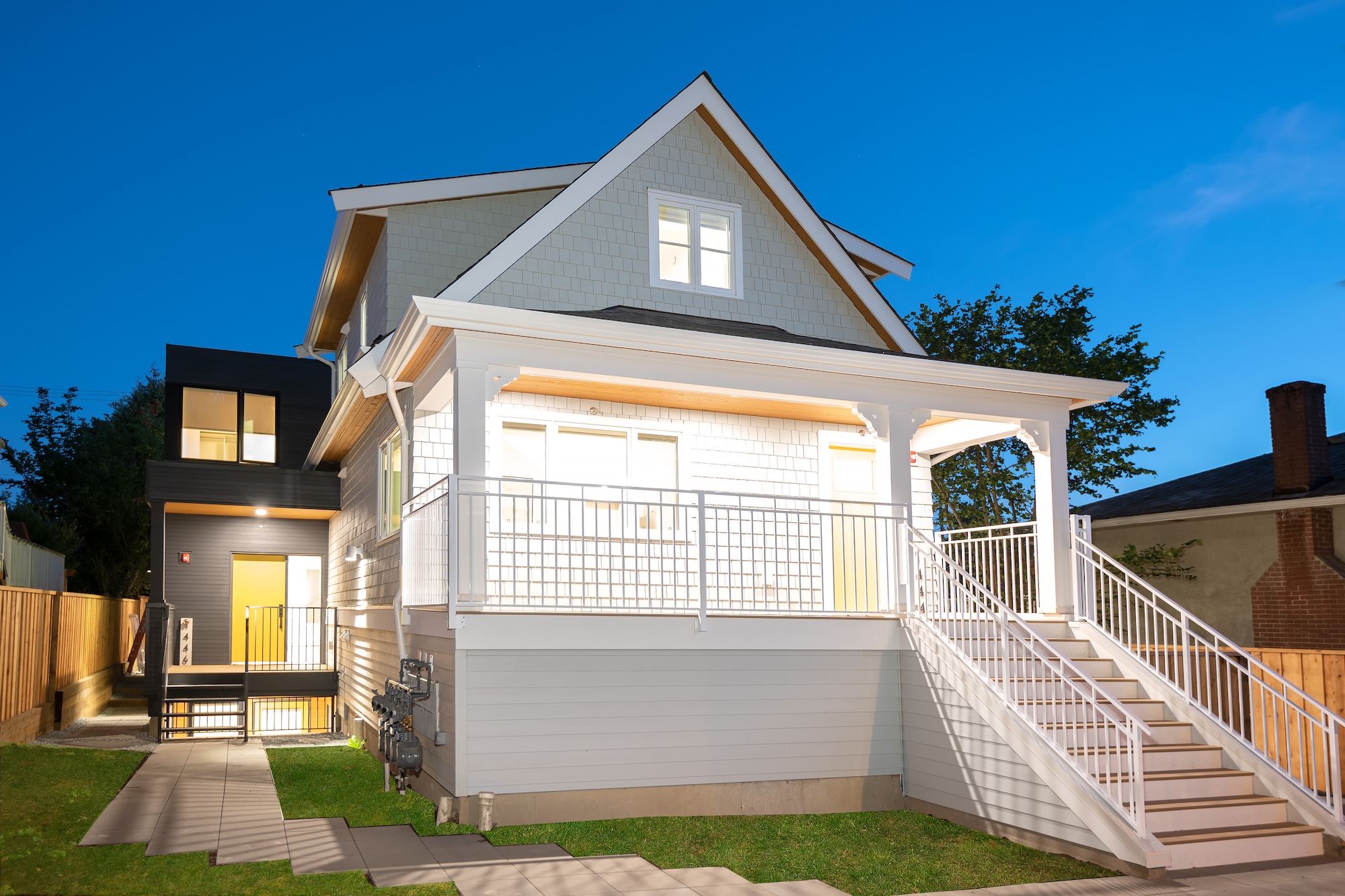
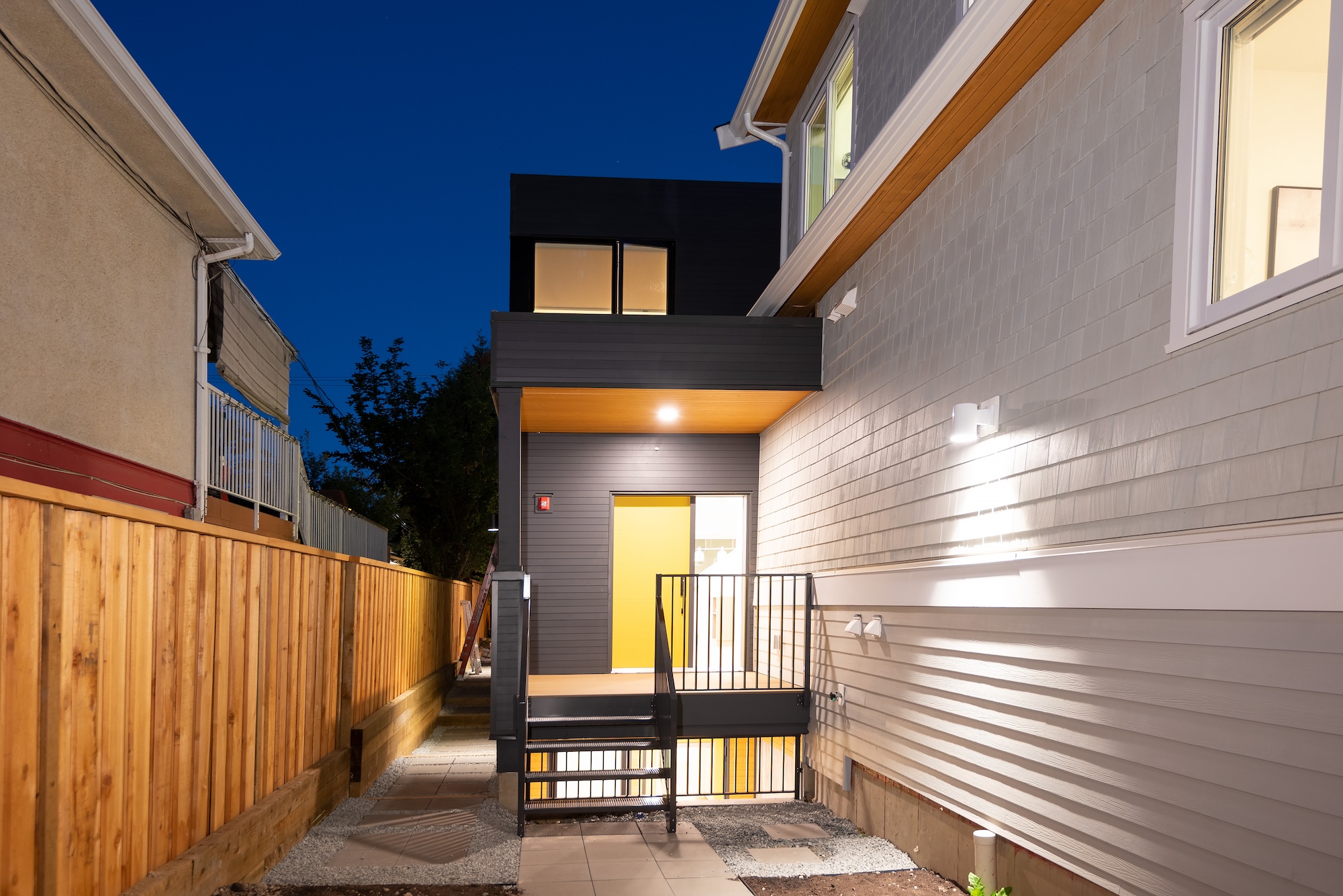
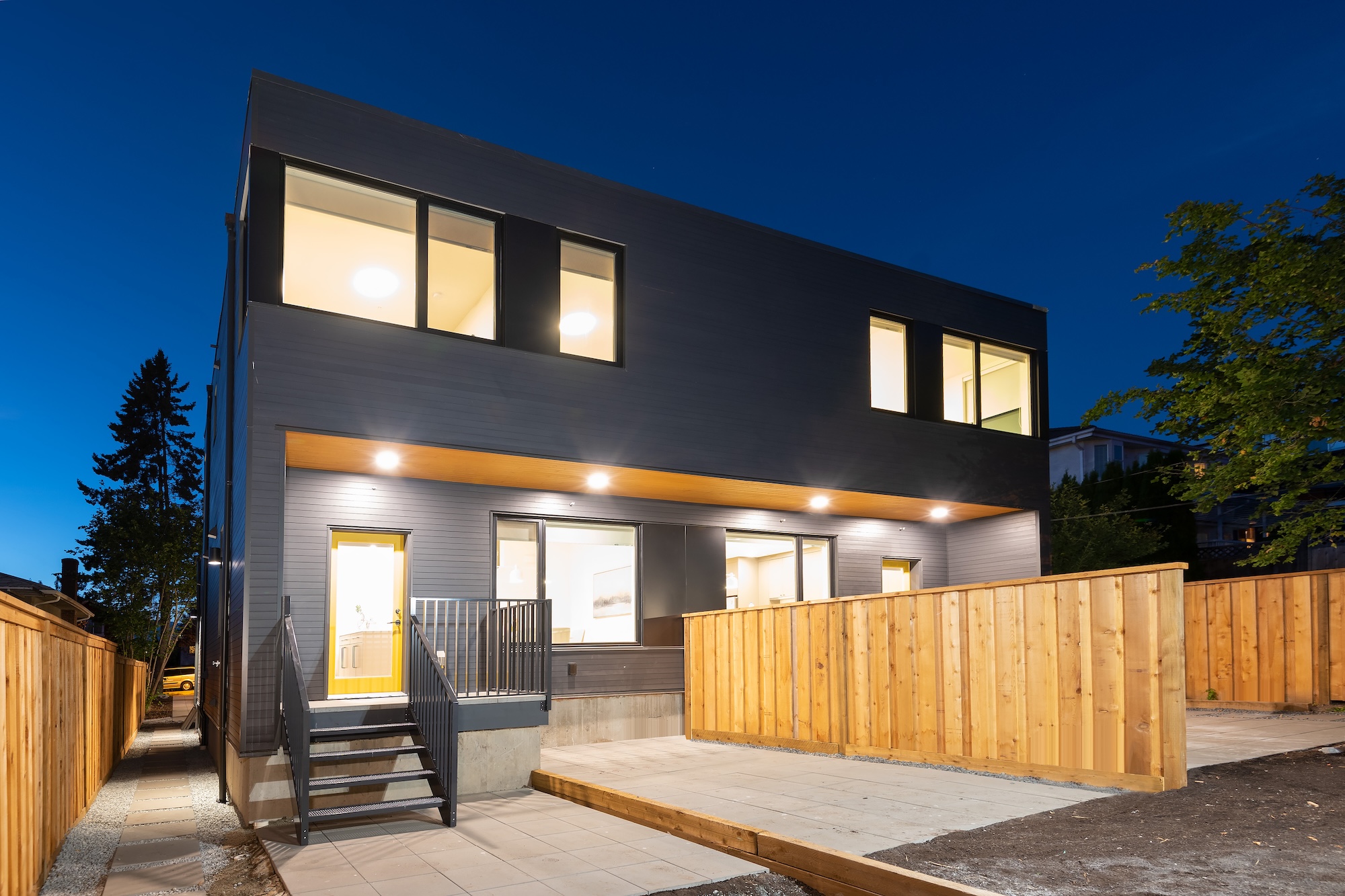
To make the new layout possible, the existing home was carefully lifted, moved forward on the lot, and centred within the yard. Behind the original home, Solaris constructed two additional connected units, creating a triplex that incorporated the restored character house.
In addition to the triplex, the team built a standalone infill house on the property. Unlike a laneway house, which typically cannot be sold separately, this infill home was designed as a strata unit that could be individually owned.
When the project was completed, the development successfully provided four family homes on a lot that previously held only one. Each unit was sold to a different family, creating a small but vibrant strata community.
Blending Heritage Craftsmanship with Modern Design
One of the defining features of this project is the thoughtful balance between heritage preservation and contemporary design.
The original character home was carefully restored, with the renovation focusing on craftsmanship and maintaining the architectural details that gave the home its historic appeal. Inside, the finishes reflect a traditional craftsman style that complements the character of the original structure.
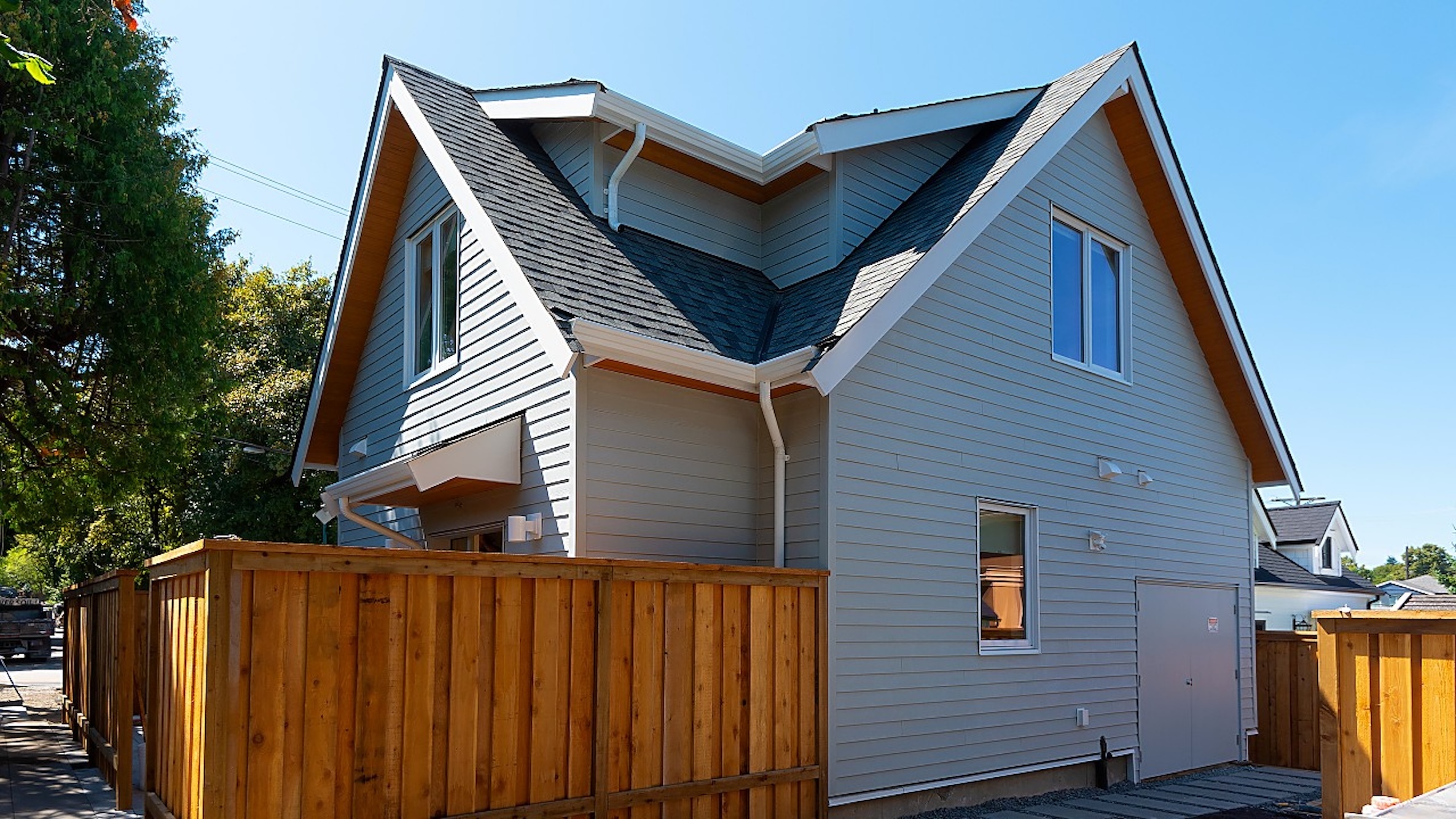
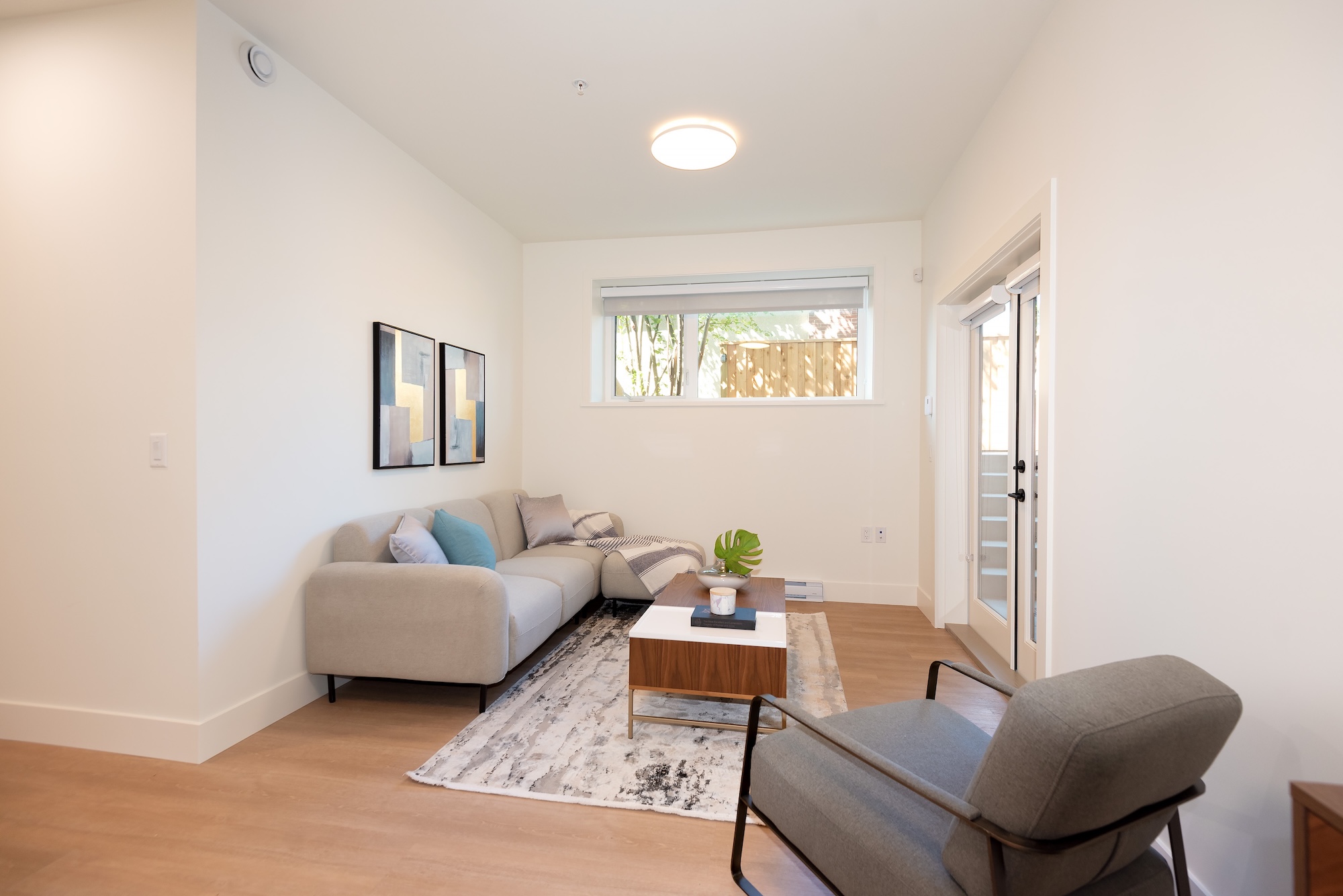
The two newly constructed units that are attached to the rear of the original home were designed with a more modern architectural style. Their exterior design intentionally contrasts with the historic home, creating a clear visual distinction between the original structure and the new additions.
The standalone infill house, however, was designed to reflect the architectural language of the original character home. From the exterior, it maintains a similar traditional style, helping it blend naturally into the streetscape and the surrounding neighbourhood.
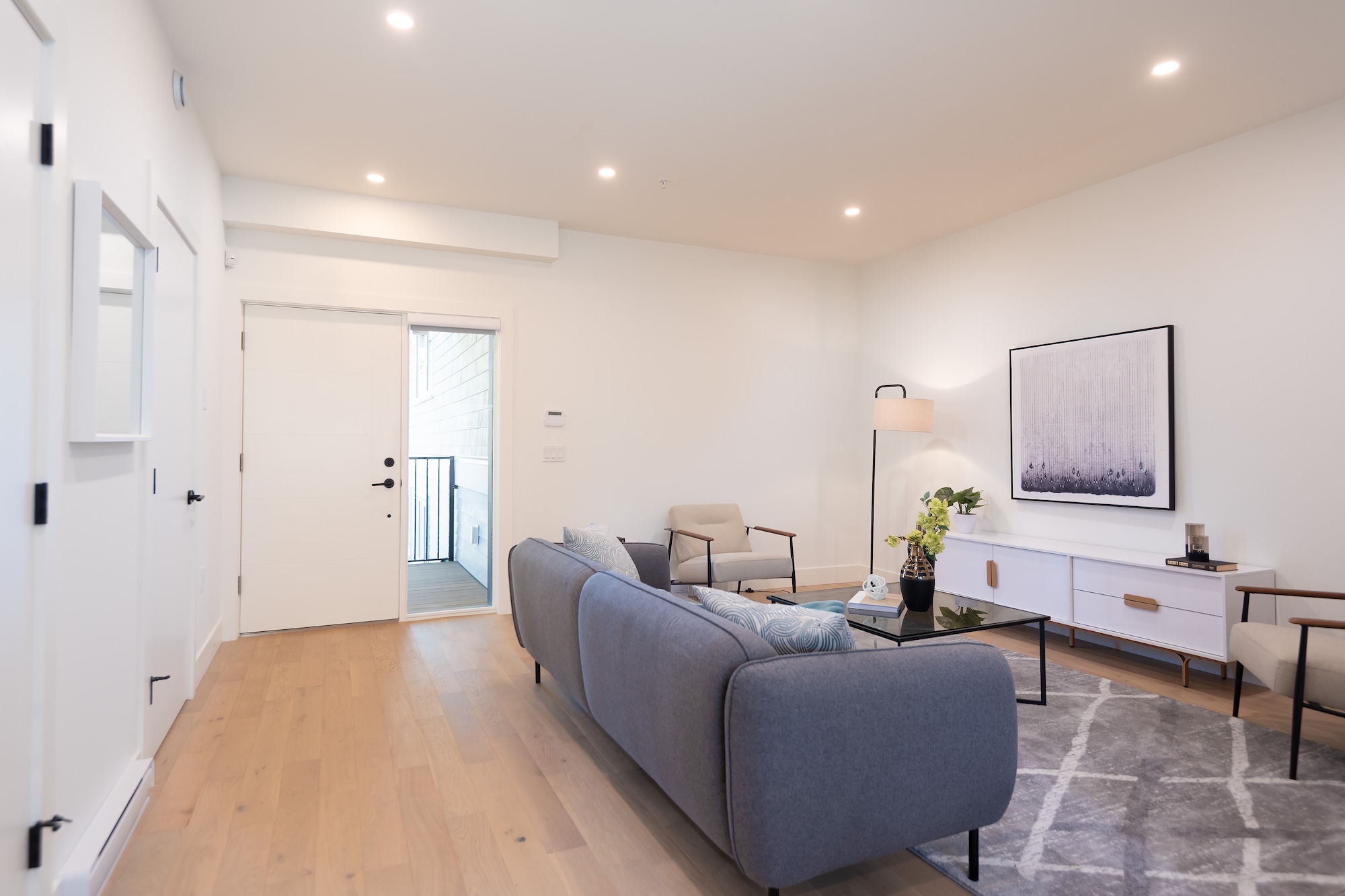
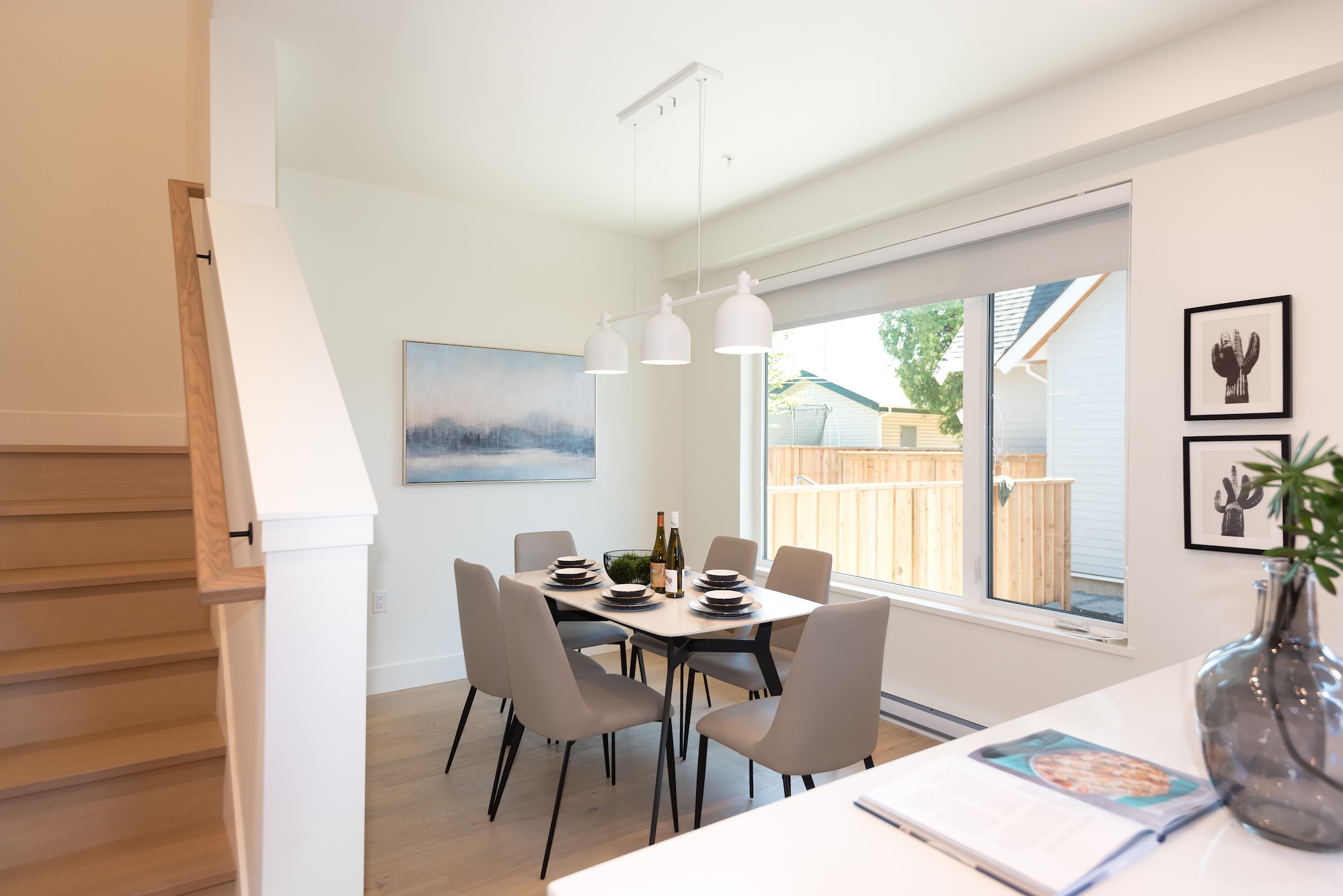
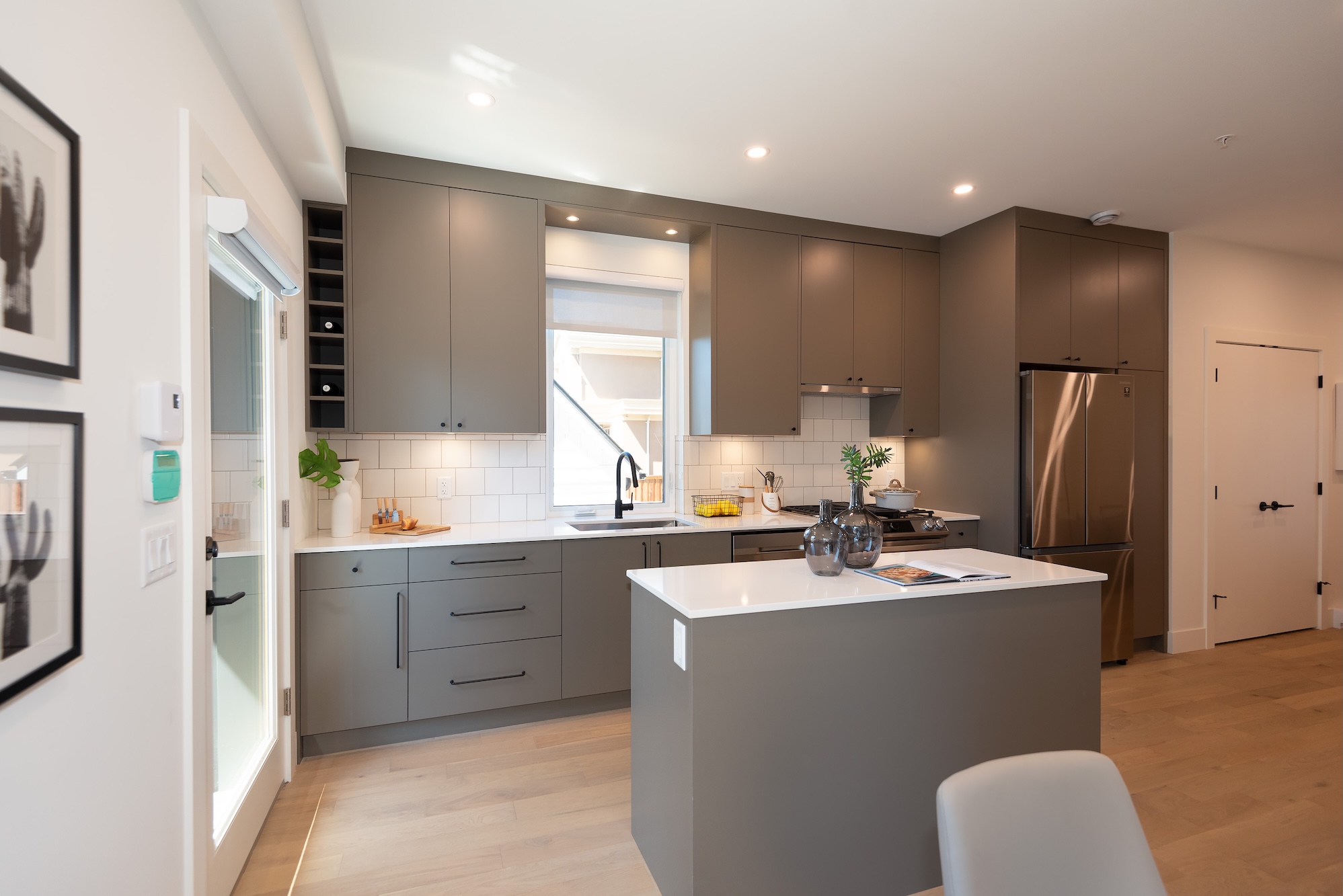
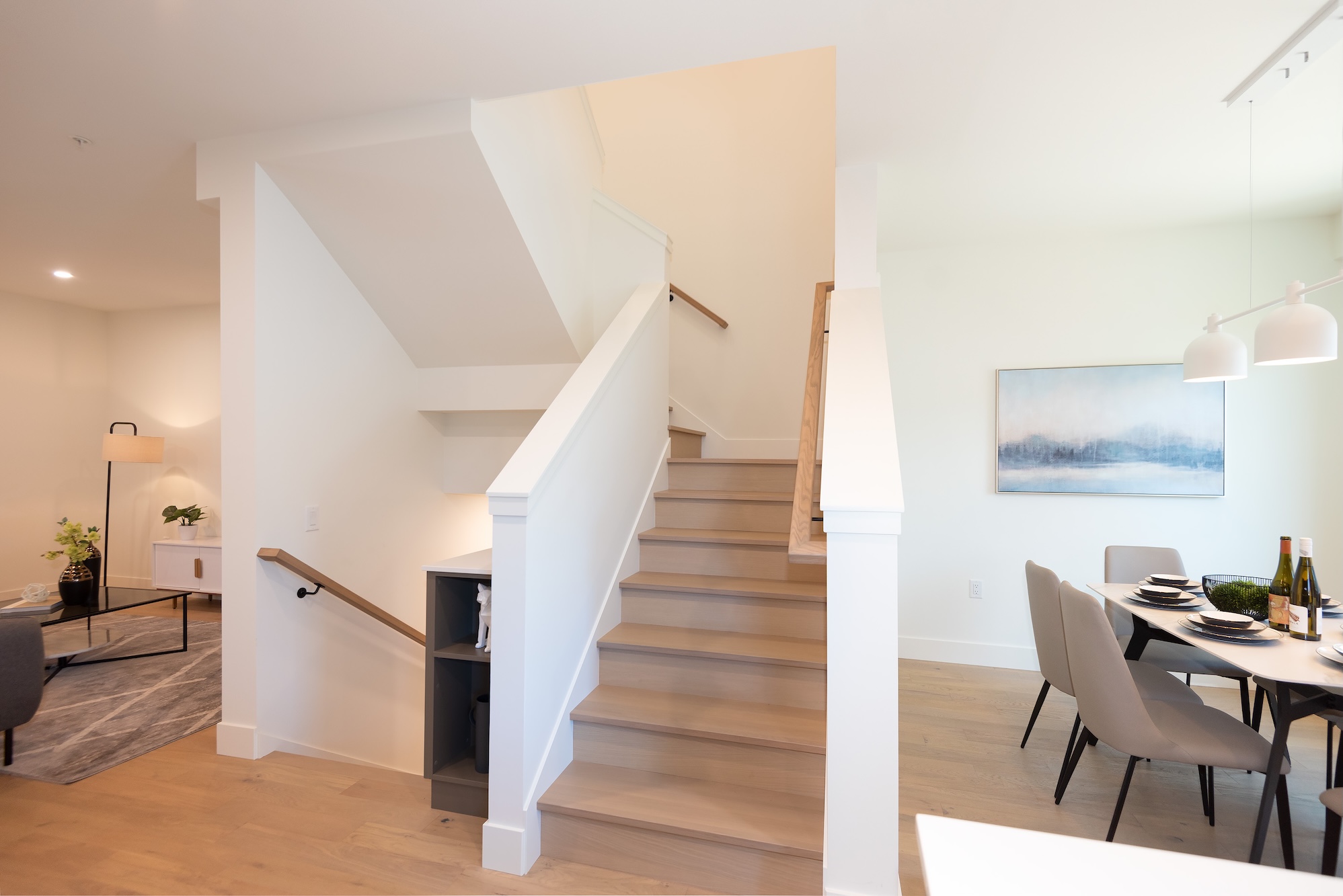
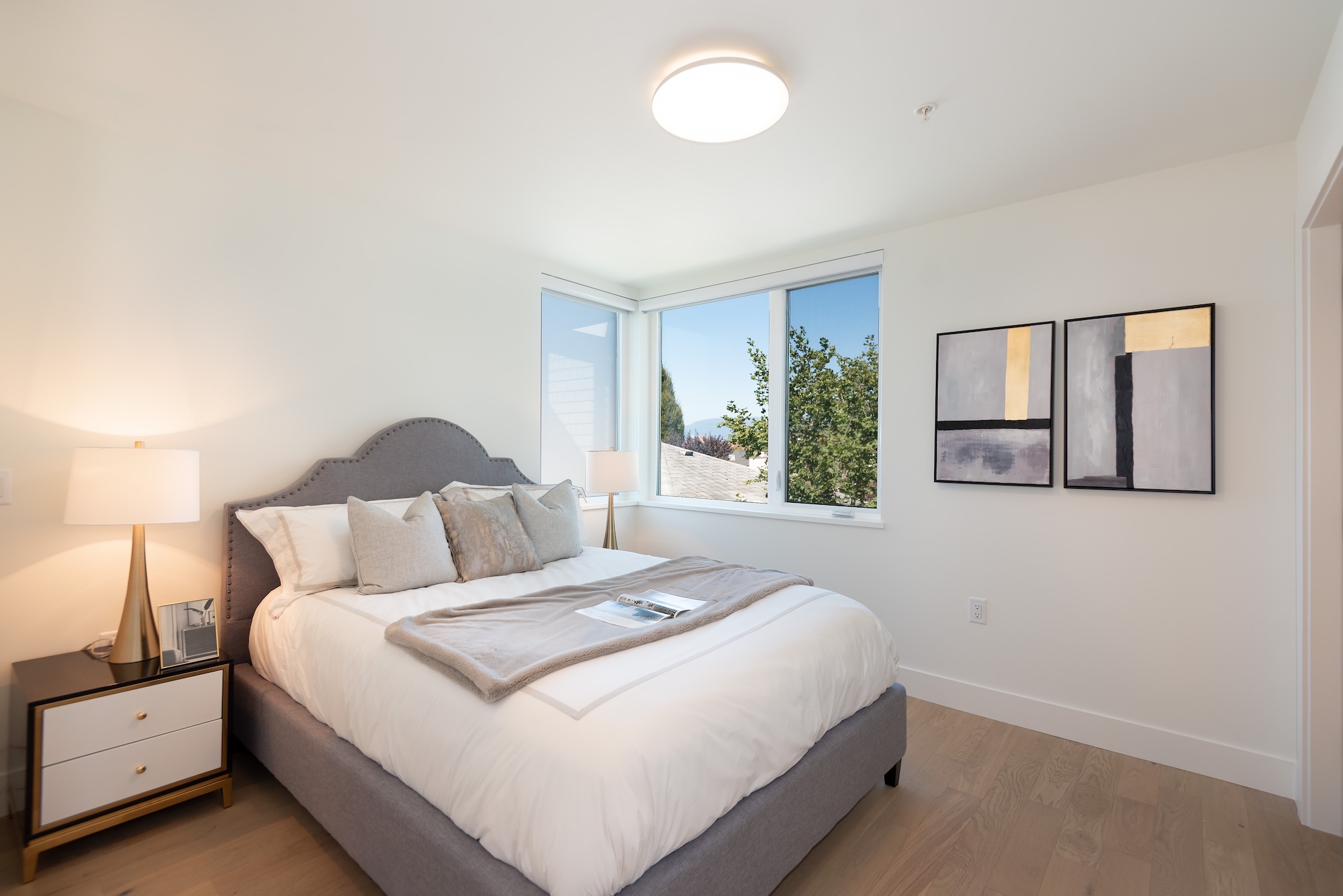
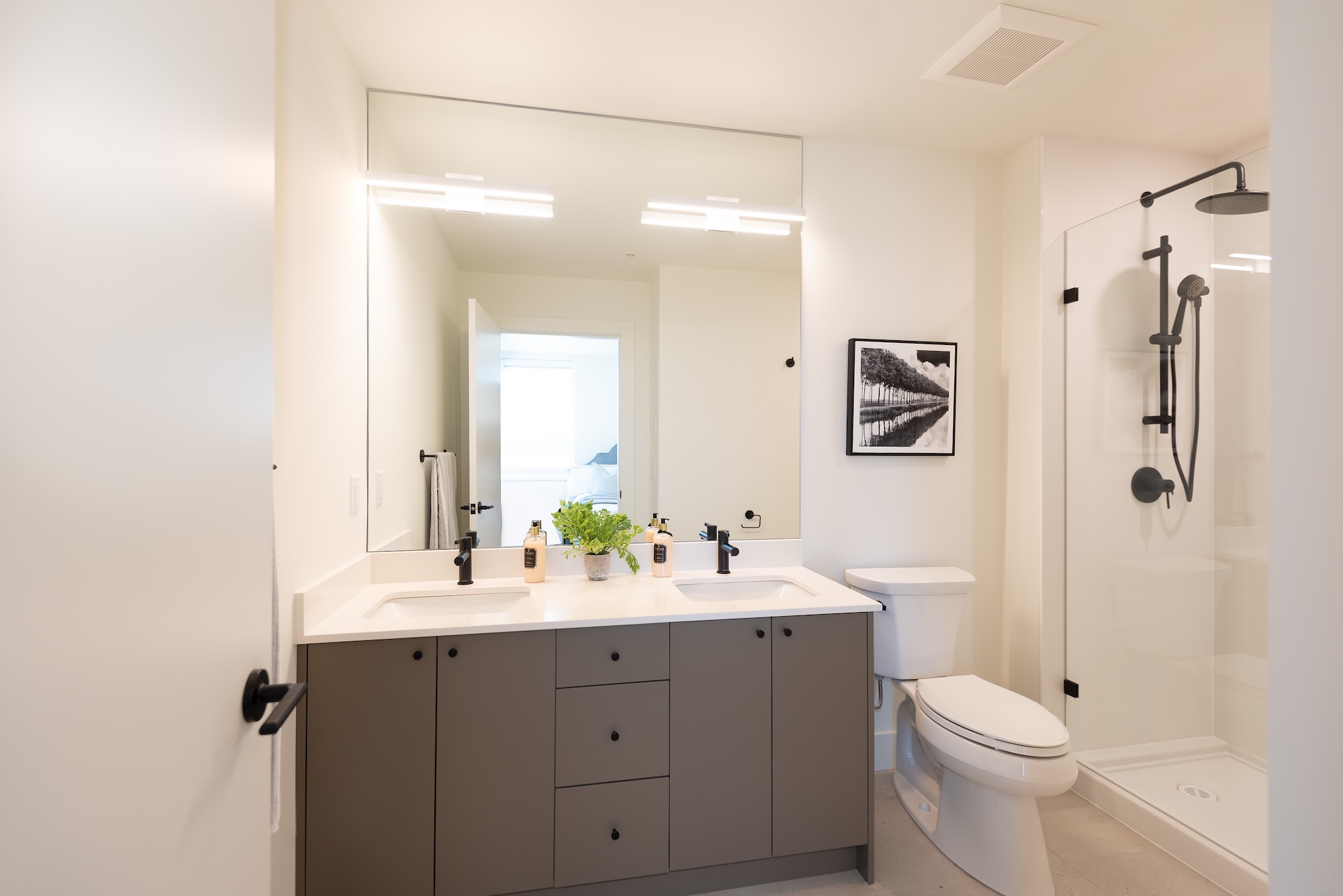
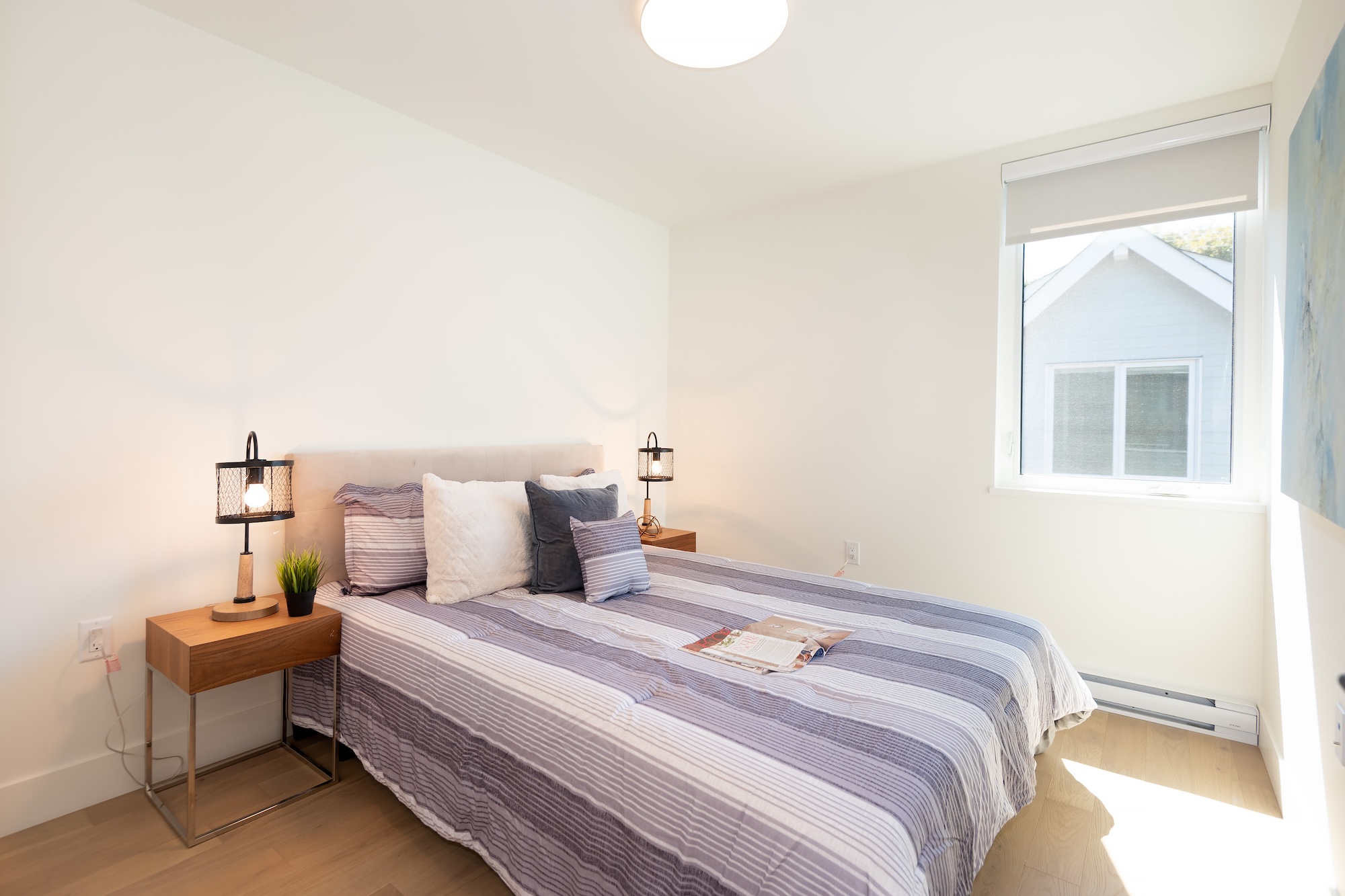
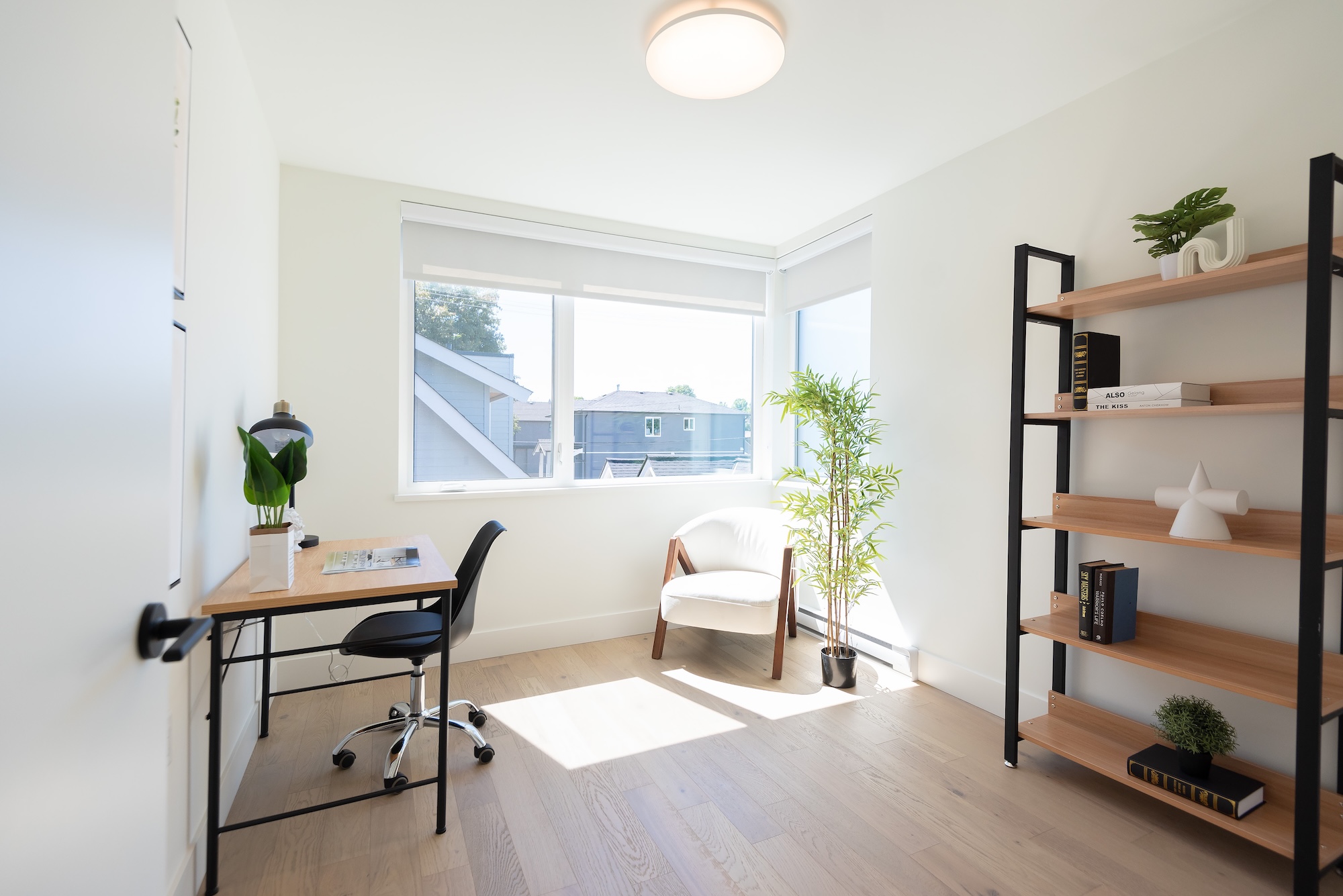
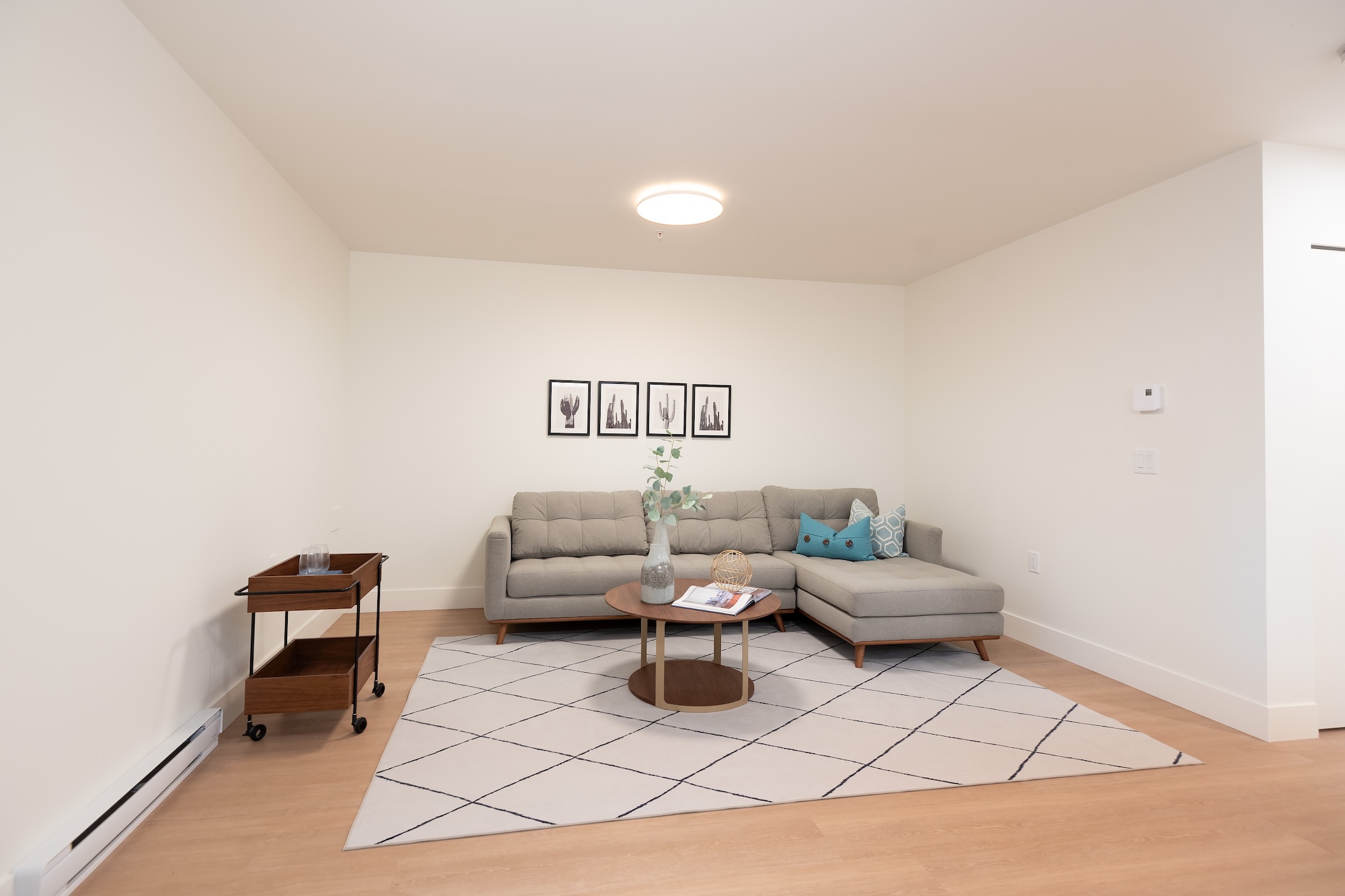
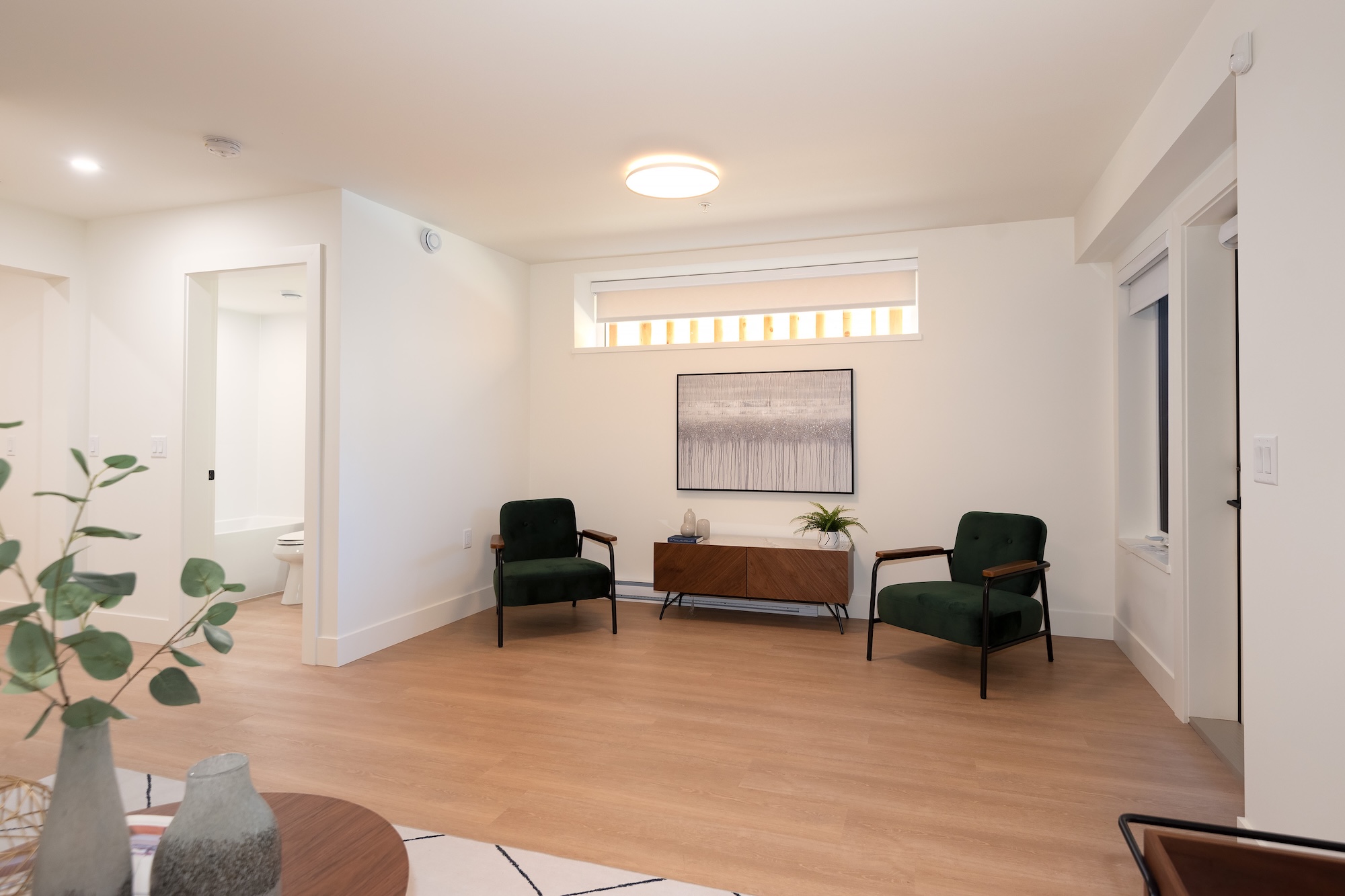
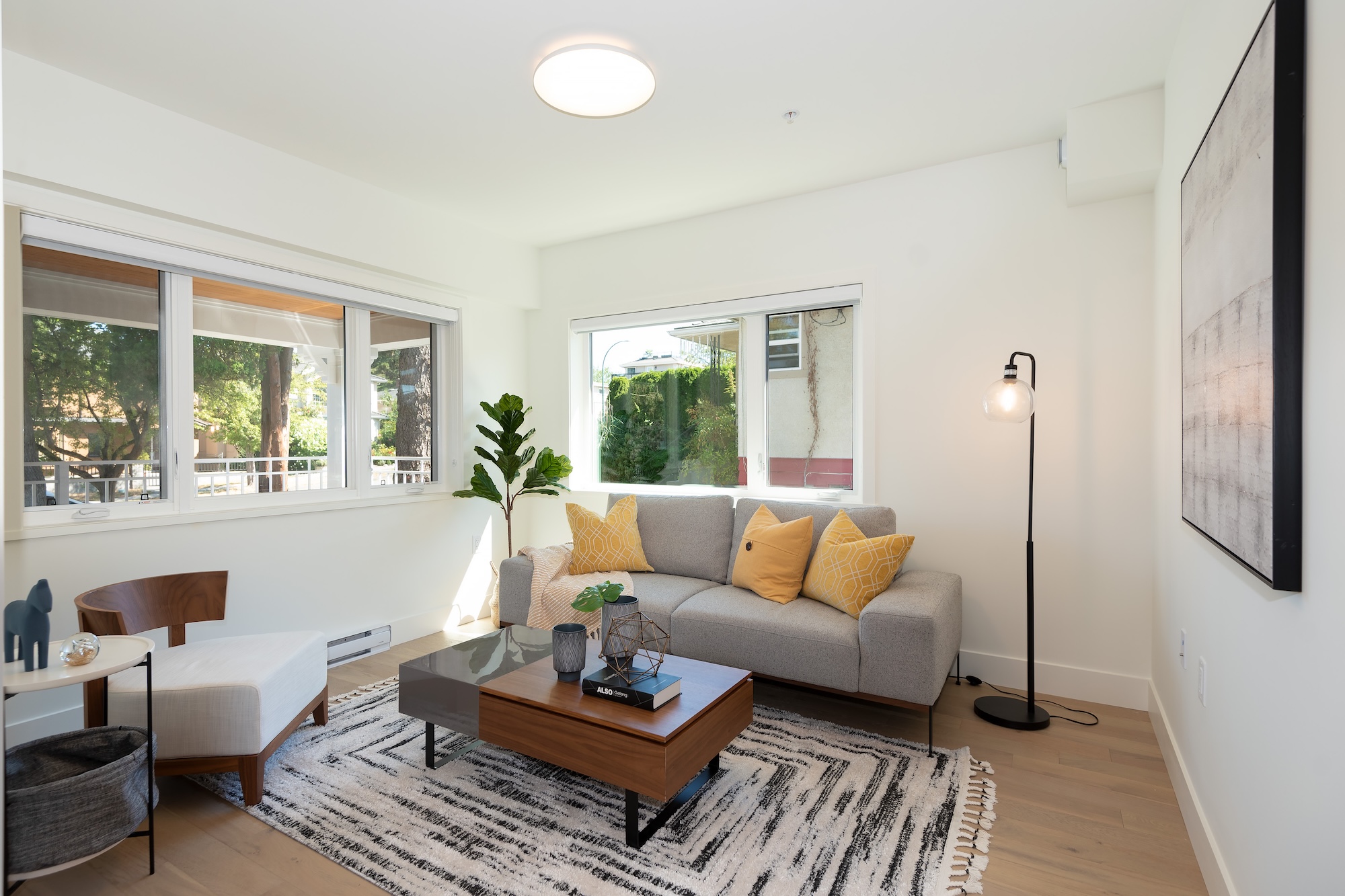
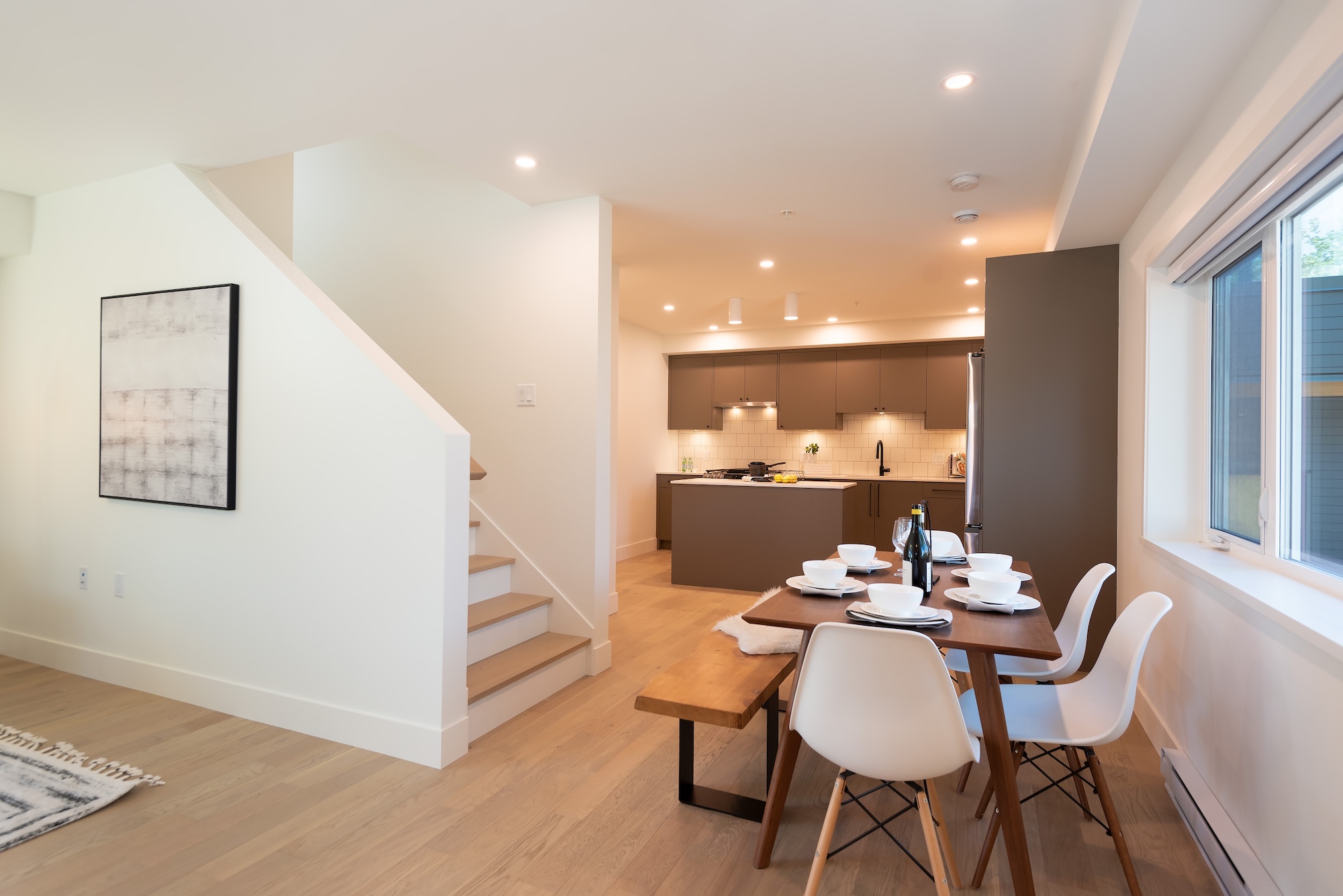
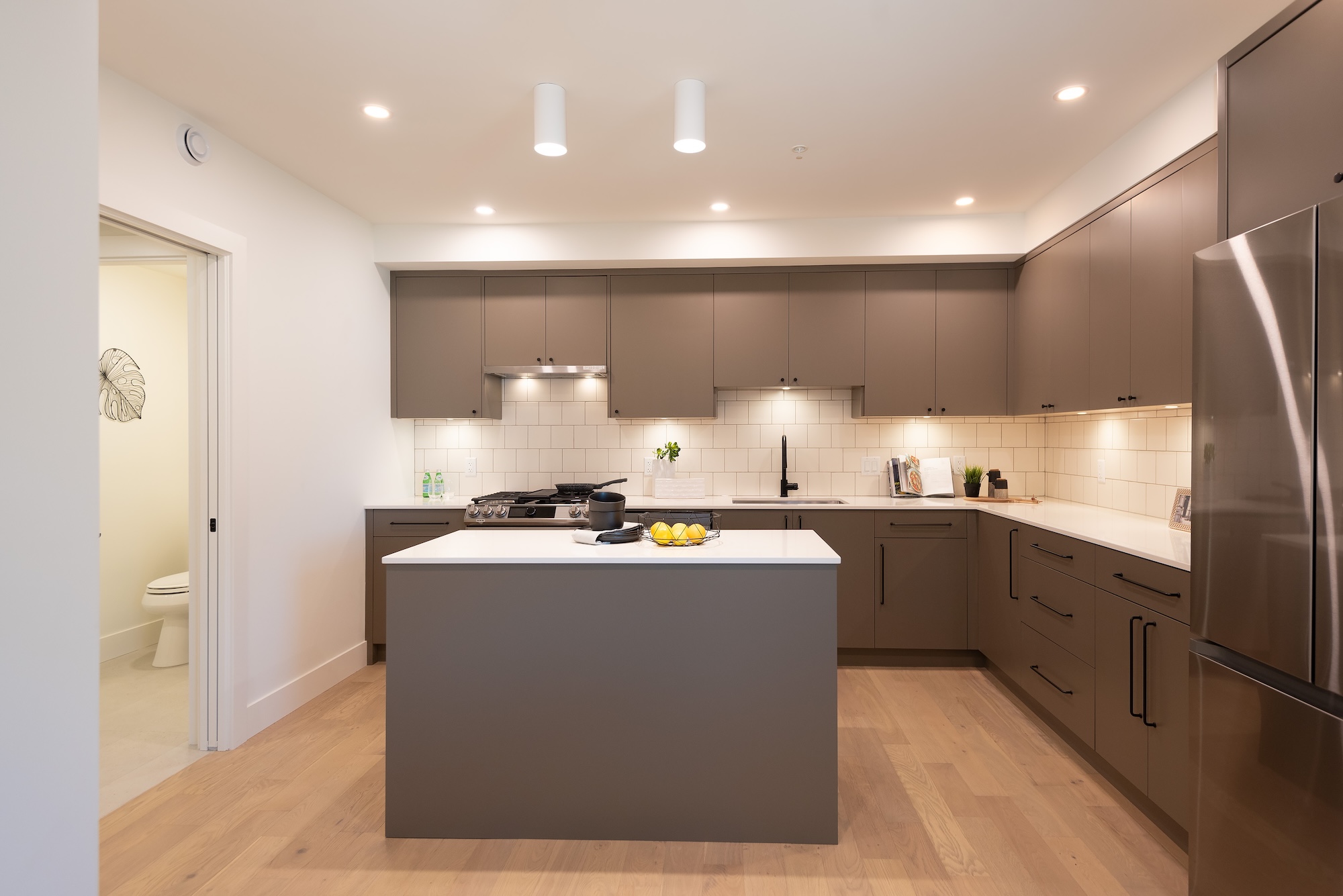
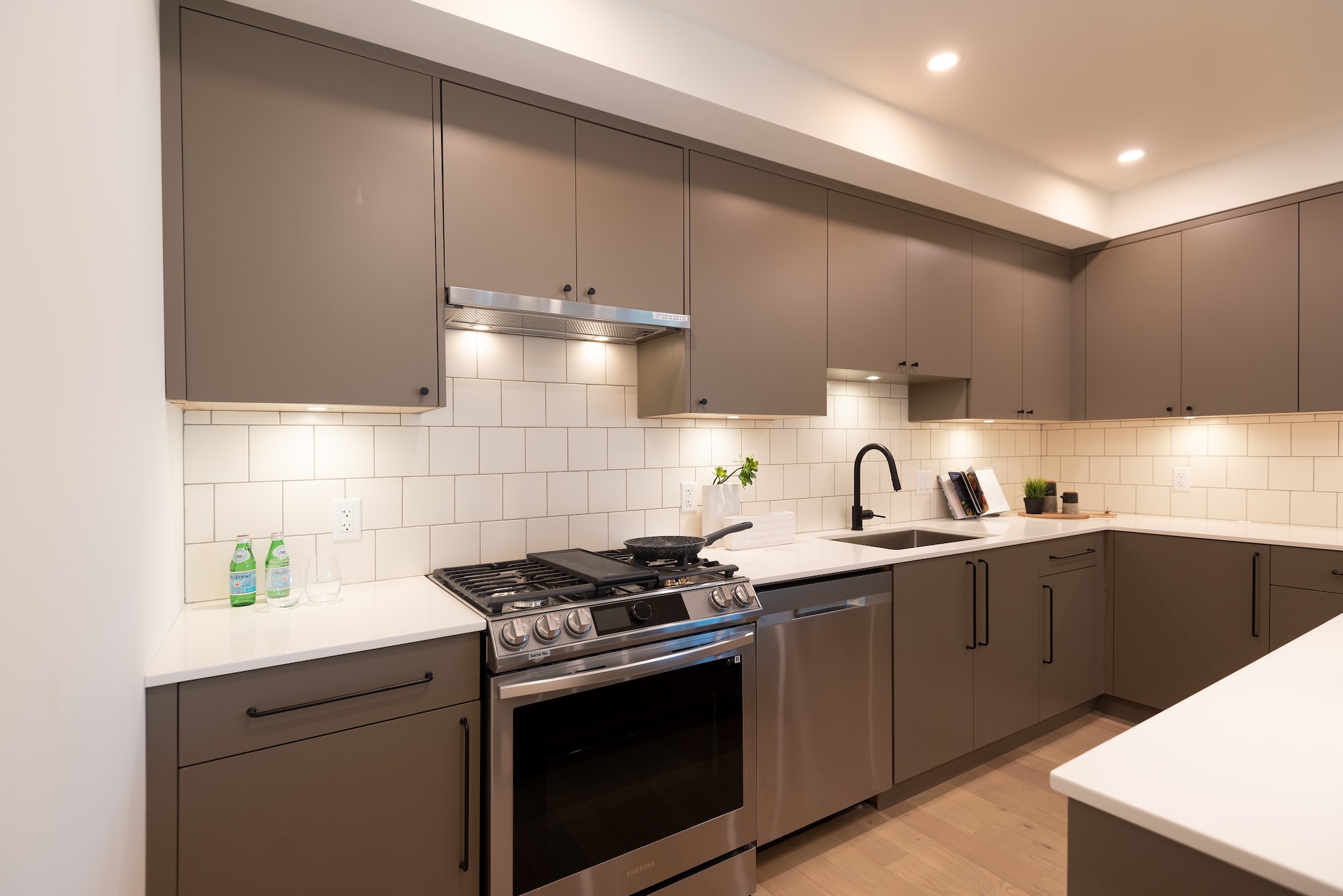
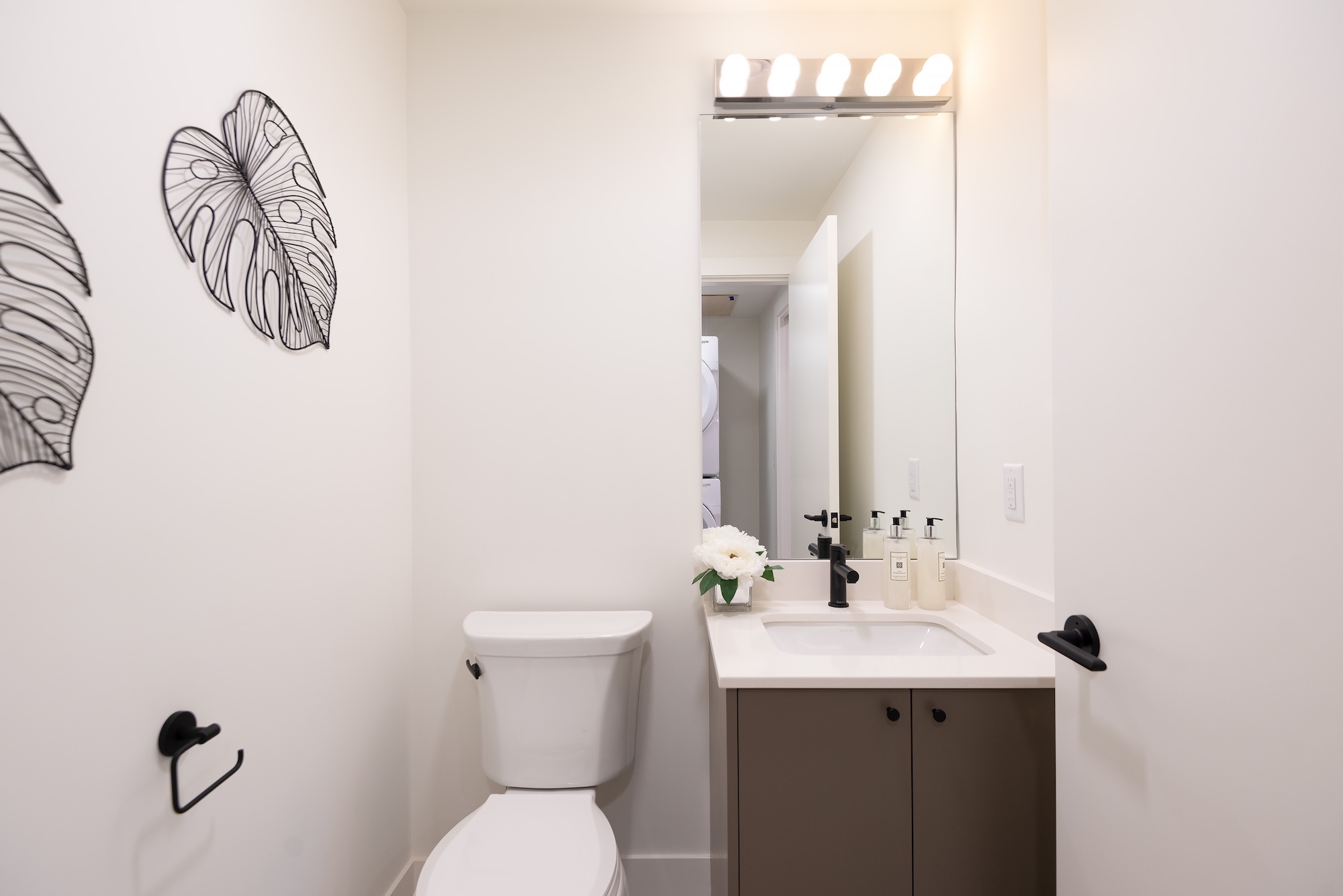
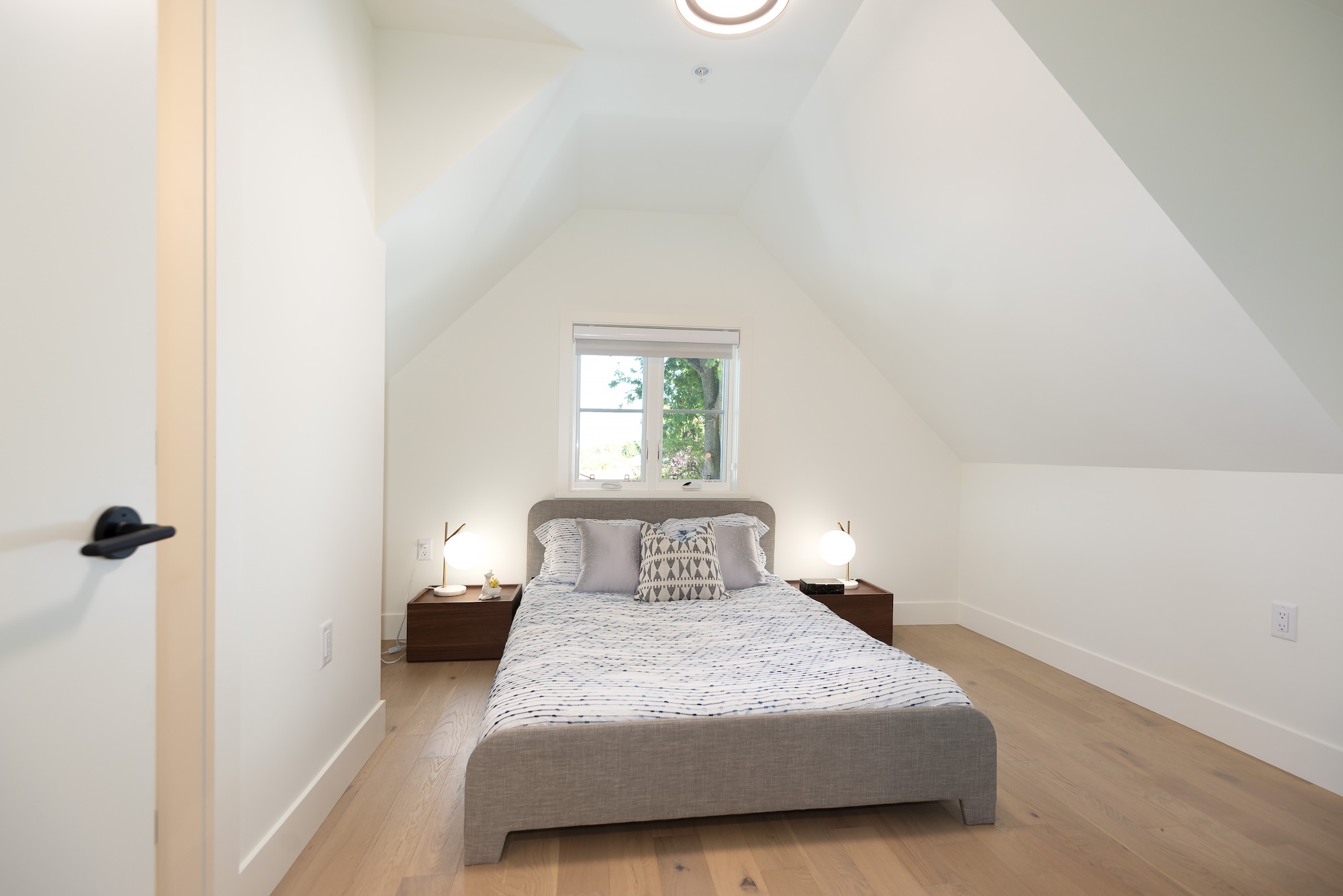
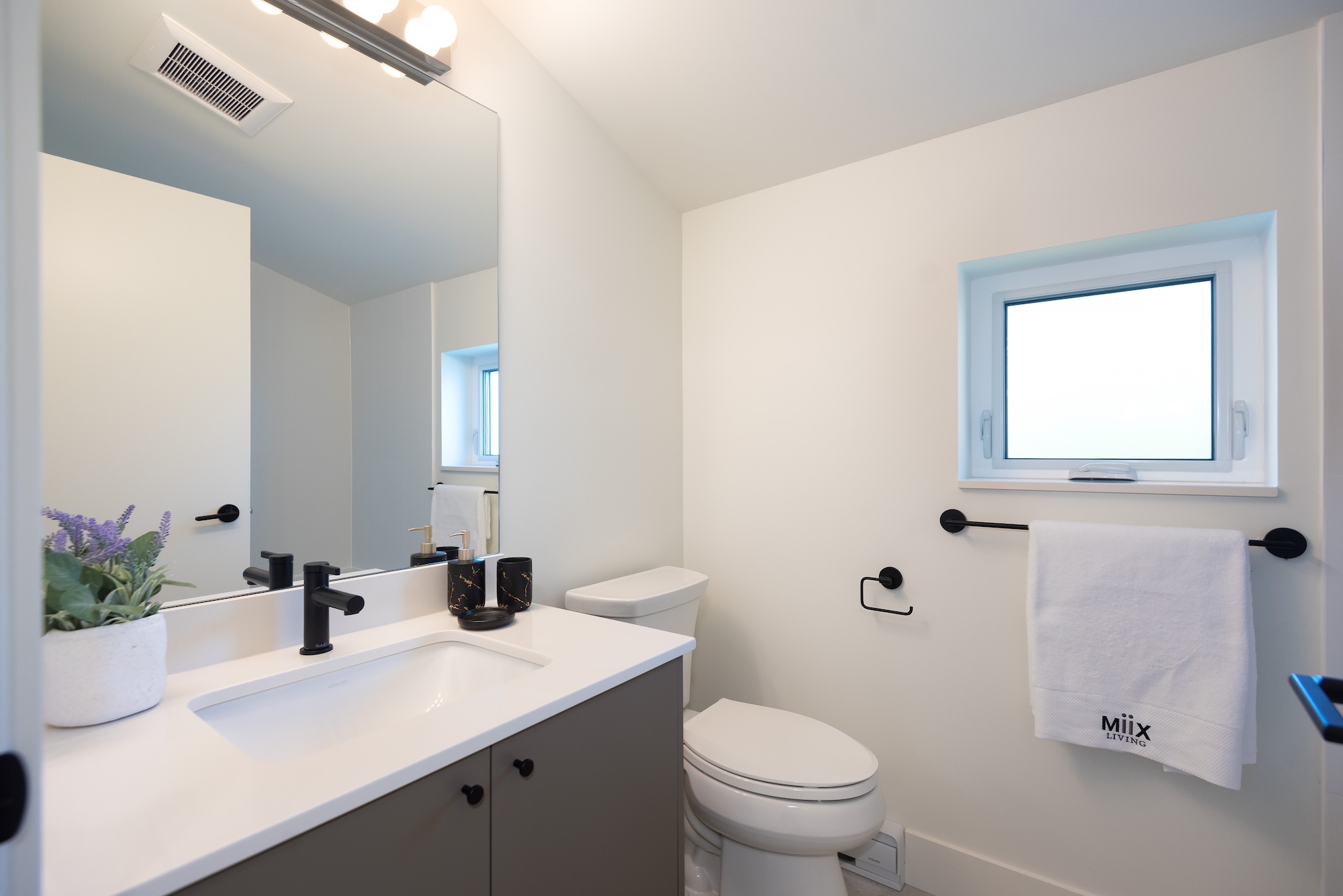
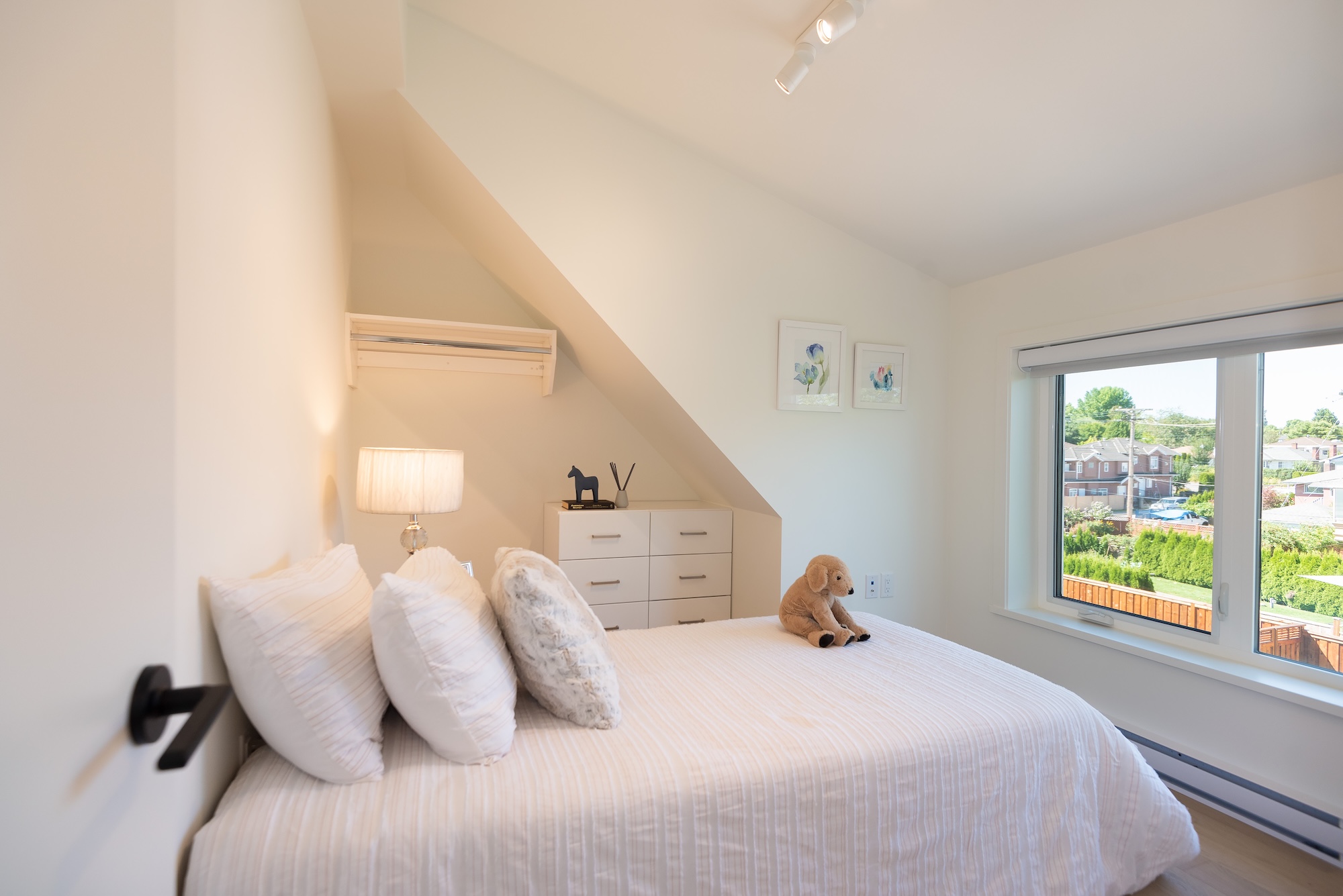
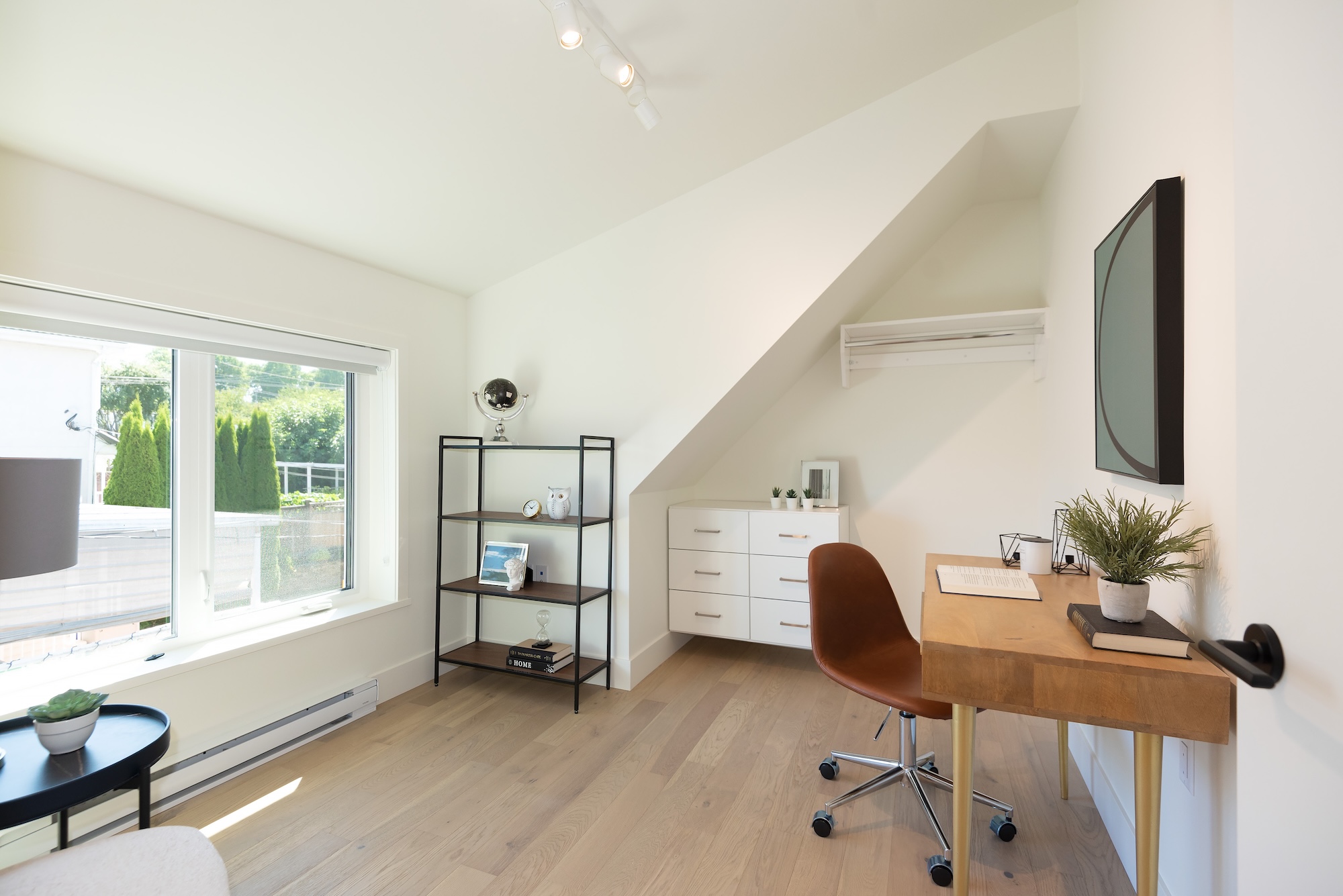
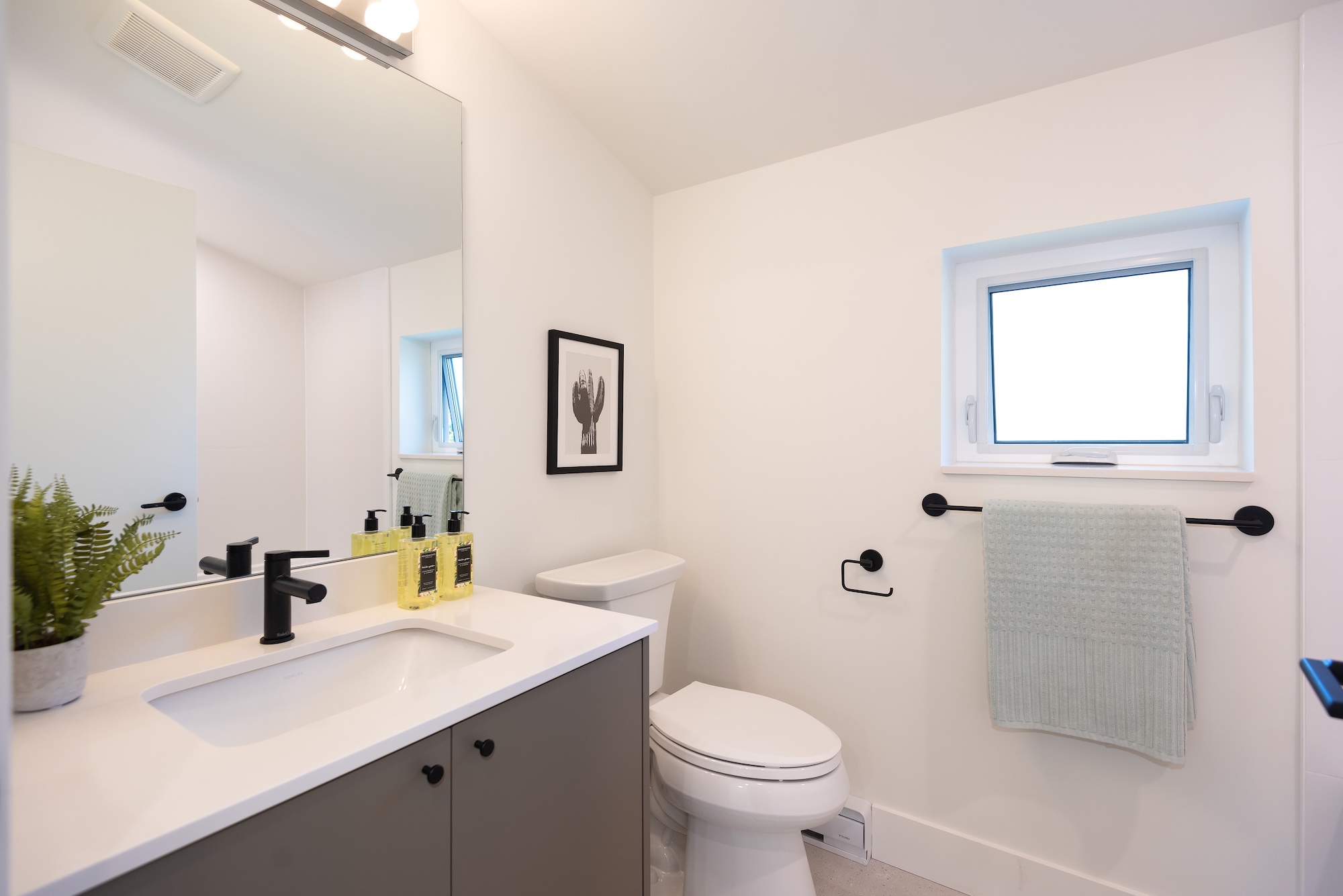
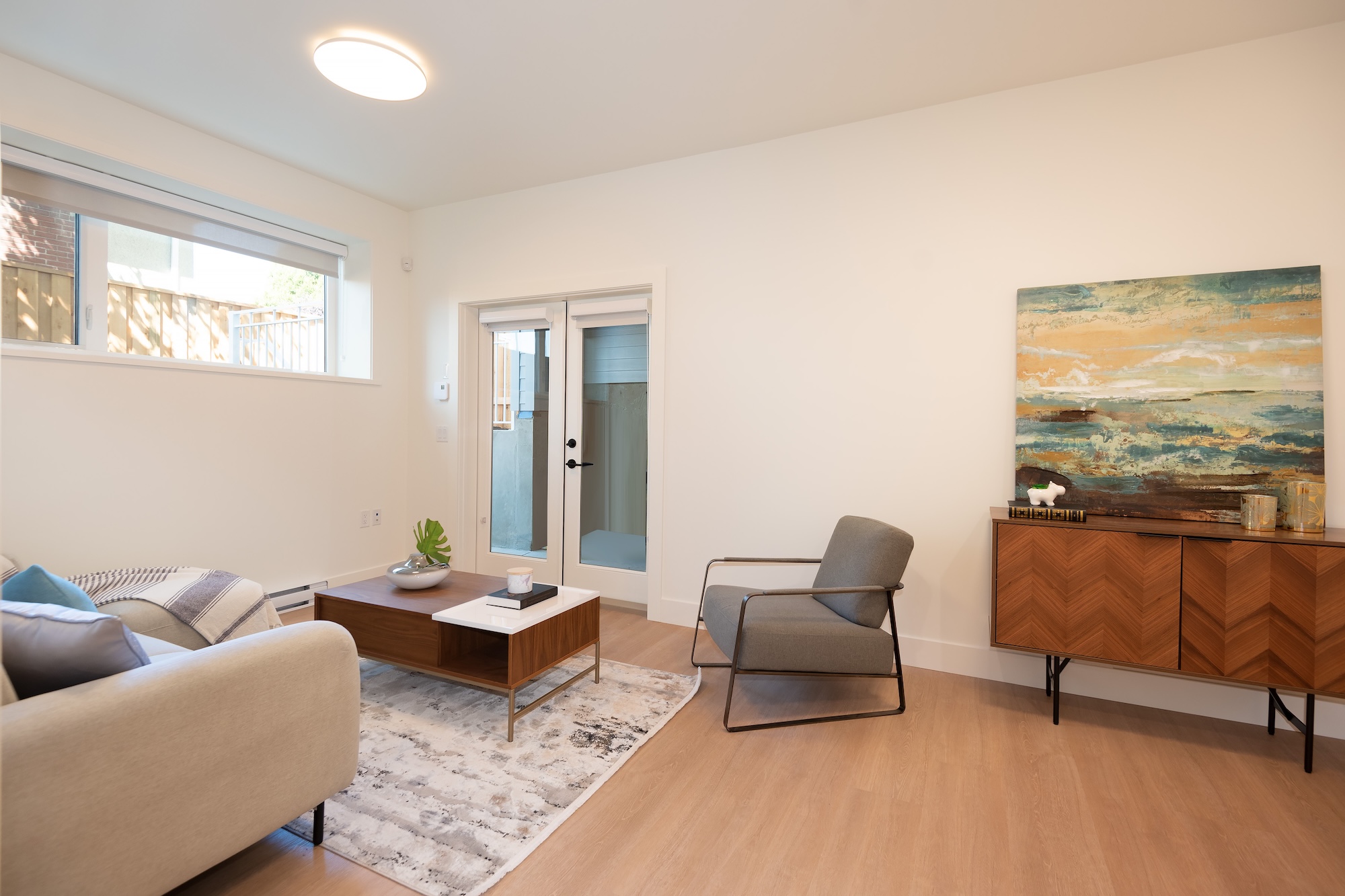
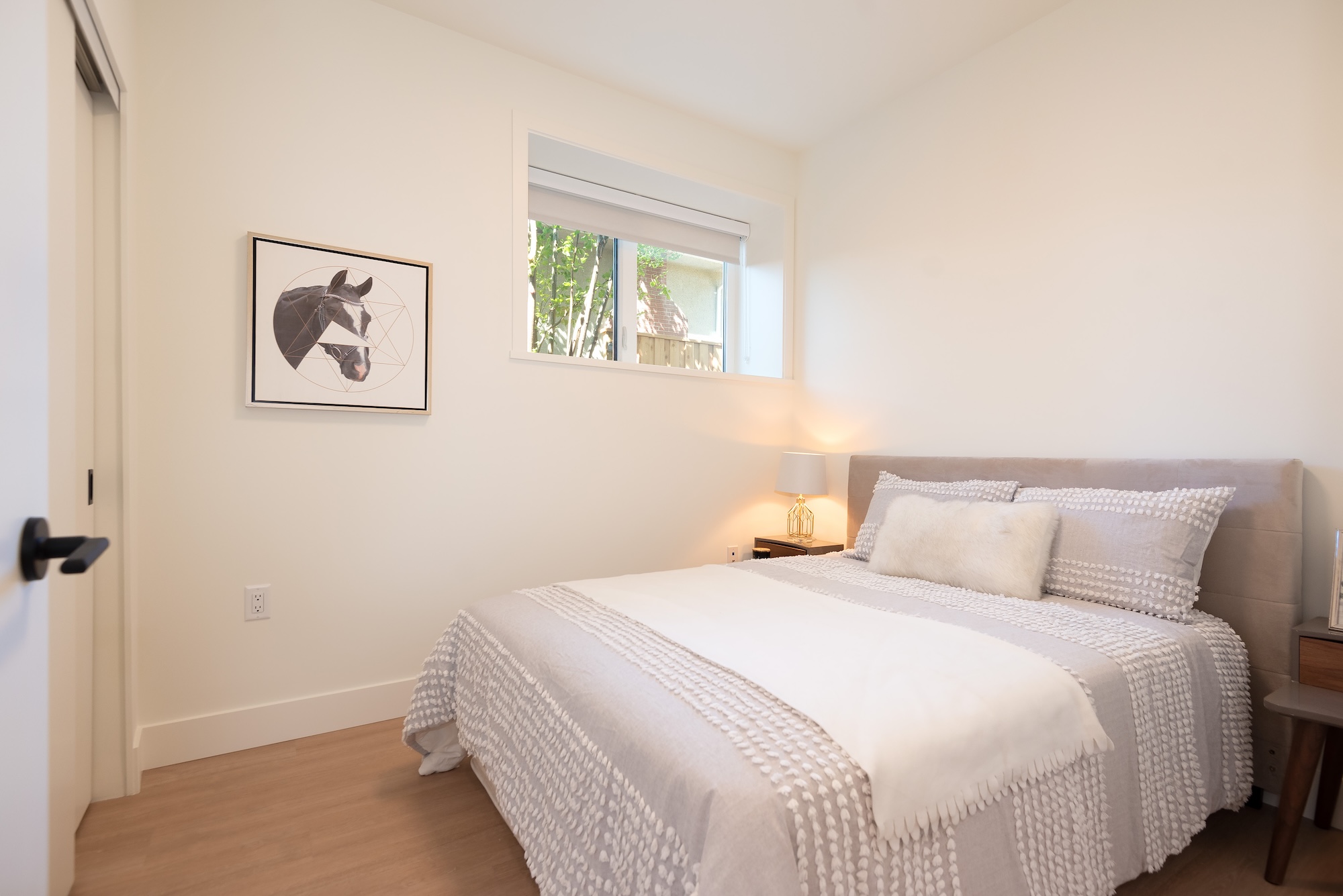
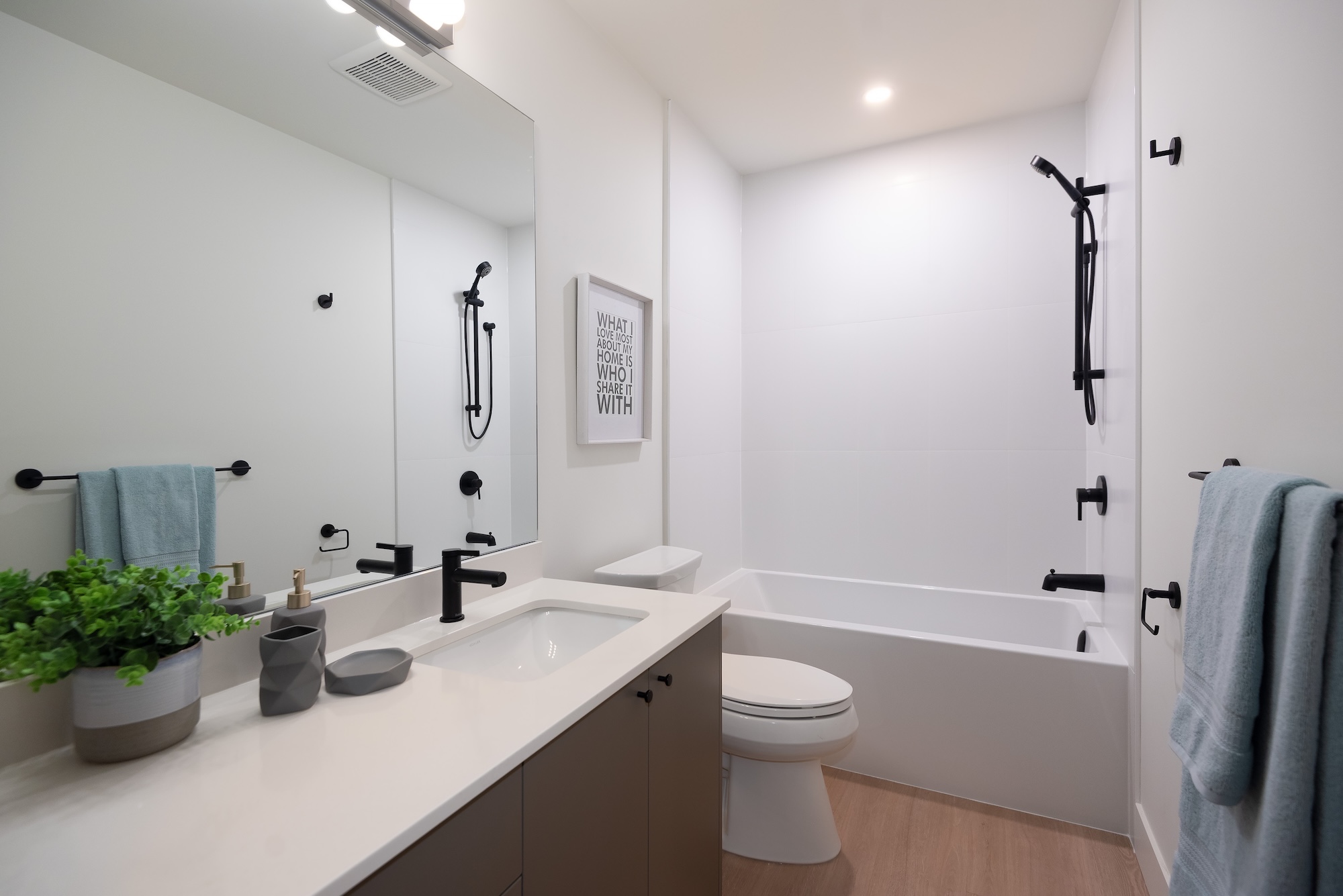
Inside the newly constructed units—including the infill house—the interiors feature a modern design with clean lines and a simple, contemporary aesthetic. All homes include hardwood flooring throughout and hand-framed roof structures.
Each of the four residences was designed as a three-bedroom family home. The development also includes shared strata amenities such as a bike room, mechanical room, electrical room, water room, and a common outdoor yard space for residents.
Navigating the Approval Process
Character retention developments in Vancouver require approval through a specialized municipal process.
Typically, character homes are houses built before 1940 that meet established architectural and historical criteria. Property owners can request a formal character assessment to determine whether a home qualifies for this designation.
Solaris initially applied to the City of Vancouver to develop the property under the character retention program. However, the first application was rejected.
In response, the team hired a character home consultant to conduct a detailed assessment and prepare a comprehensive report demonstrating the heritage value of the existing house. The city allows only one opportunity to reapply after an initial rejection.
With the additional documentation and expert analysis, Solaris resubmitted the application, and the city approved the project.
The Advantage of Character Retention Zoning
One of the key benefits of character retention zoning is how it allows greater flexibility in how a property can be developed.
In Vancouver, a typical single-family lot allows a maximum floor space ratio (FSR) of 0.6. For example, on a 5,000-square-foot lot, the maximum total floor area would be 3,000 square feet. Homeowners may also be permitted to build a laneway house with a maximum of 0.25 FSR, which in this example would add up to 1,250 square feet. Together, this creates a total possible density of 0.85 FSR.
However, laneway homes cannot typically be sold separately from the main property. They can only be used as rental or additional family housing.
Character retention zoning offers a significant advantage. While the total density may remain similar—up to 0.85 FSR—the property can be designed to include additional strata units that can be individually owned and sold.
In this project, Solaris used this opportunity to develop a triplex combined with a standalone infill home, resulting in four separate strata homes on a single lot. An infill house is a detached home built on an existing residential lot within an established neighbourhood. Unlike laneway houses, infill homes can often be structured as separate strata units, allowing them to be sold individually. This approach provides property owners with far greater flexibility.
For homeowners considering adding a laneway house, exploring an infill housing approach may offer significantly greater long-term value.
The Result
Projects like this highlight the potential of character retention and infill housing to create meaningful new housing opportunities in established neighbourhoods.
By preserving the original home and thoughtfully integrating new construction, Solaris Properties delivered four beautiful family homes while adding lasting value to the property and the community.
Contact Us